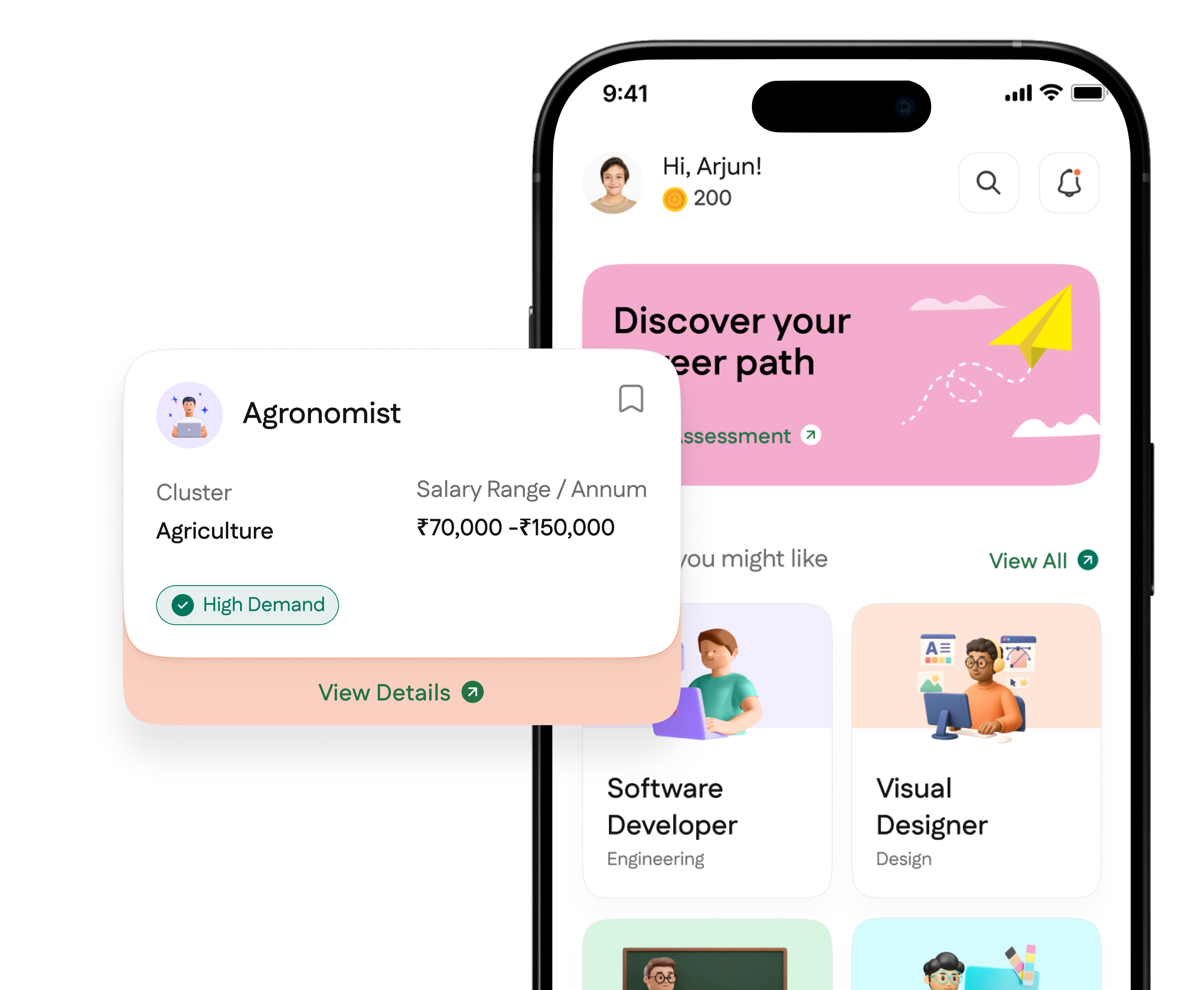
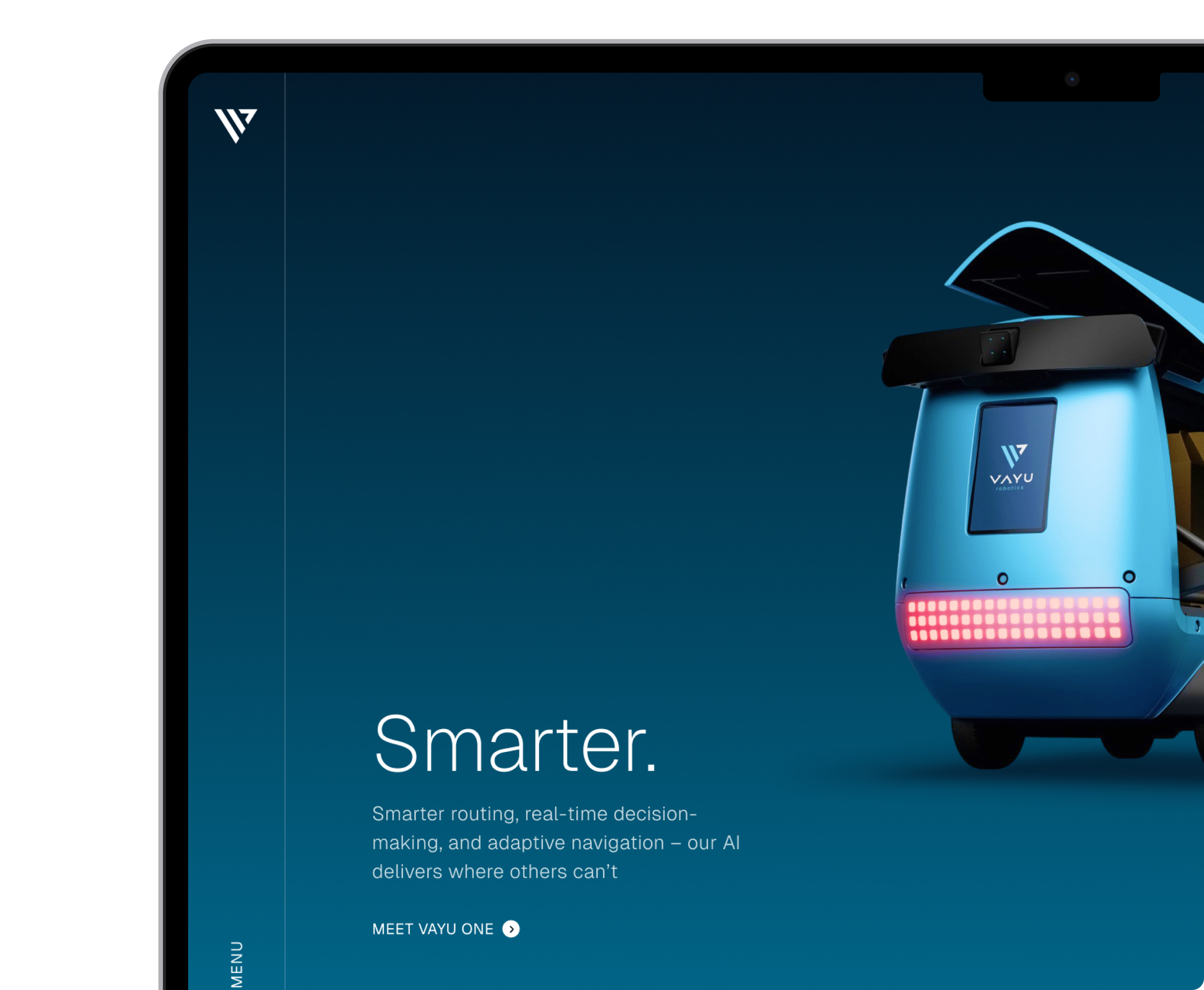
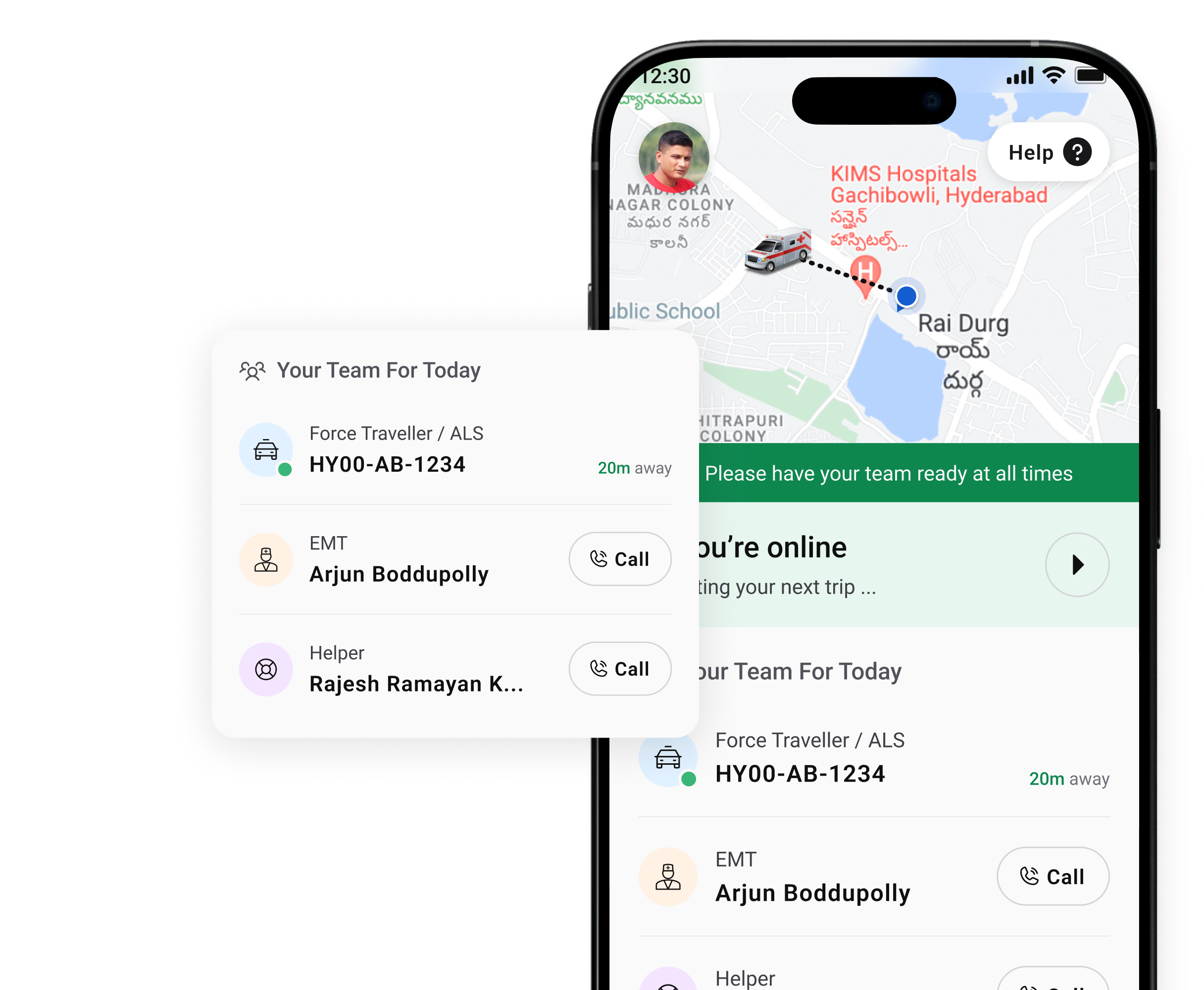
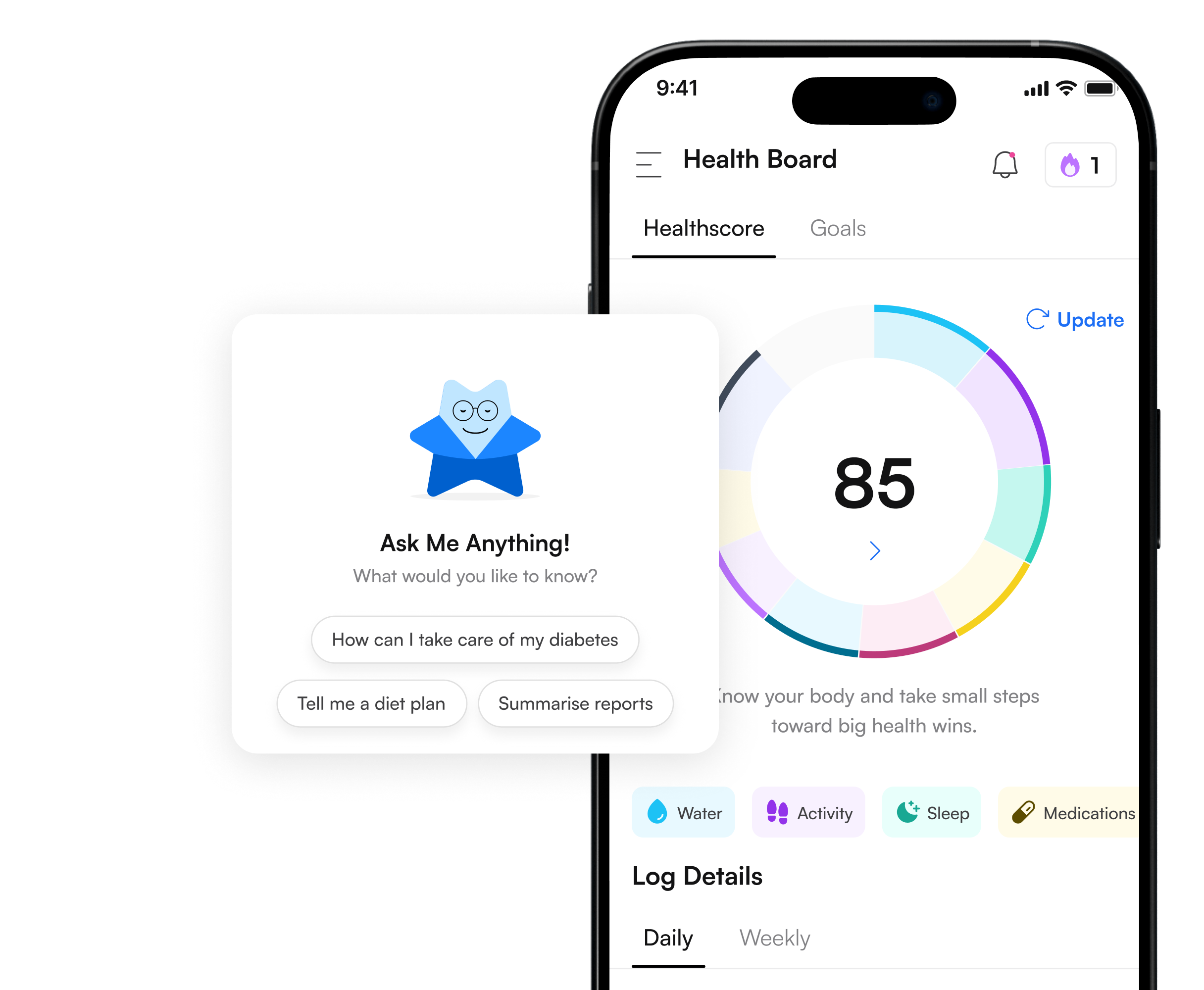
.avif)
Competitor Analysis is the process of identifying your industry competitors and understanding how they are serving your target user groups through their products or services. This research helps reveal what your brand does well, where it can improve, and the key areas to position yourself ahead of competitors.
User Landscape
Analyzes the competitive landscape to anticipate users’ needs and preferences, helping businesses understand how competitors serve similar target groups in the industry.
Strengths & Weaknesses
Identifies your brand’s strengths and weaknesses by comparing products and services against competitors operating within the same market space.
Opportunity Gaps
Pinpoints hidden opportunities by uncovering areas where competitors may not be effectively addressing target user expectations or needs.
Industry Trends
Provides insight into current industry trends and competitor approaches, enabling businesses to align strategically within the evolving market environment.
Benchmark Creation
Establishes benchmarks by evaluating competitor offerings, helping define unique selling propositions and competitive positioning within the industry.
Product Insights
Highlights gaps in areas such as product design and research and development, informing improvements and strategic enhancements.
Strategic Direction
Supports informed strategic decisions by offering competitive context that guides product positioning and differentiation efforts.
Competitor analysis plays an important role in UI/UX by helping teams understand how competitors serve similar user groups through their products. By comparing interfaces, features, and flows, product teams can see what works well and where others fall short, informing better UX decisions.
It enables designers to anticipate user expectations by analyzing the competitive landscape, helping prioritize design elements that align with user needs while differentiating from alternatives. Insights about strengths and weaknesses support clearer decision making.
In the broader product process, competitor analysis supports strategic and contextual design planning, ensuring designs are not developed in a vacuum but reflect real-world comparisons, opportunities, and gaps identified in the market.
.avif)


Direct competitors are the obvious answer, but they're rarely the most useful one. The products worth studying closely are often adjacent ones that have already solved your underlying user problem in a different category.
A fintech onboarding flow can learn more from a well-run subscription checkout than from another fintech app doing the same thing everyone else does. NetBramha maps both direct and adjacent players early, then decides which ones are actually worth the deep dive, rather than analyzing everyone with a similar logo.
That's the version most teams end up with, and it doesn't hold up. A real competitor analysis looks at why a competitor's flow works, not just that it exists, which means testing their product the way a user would rather than scrolling through screenshots and taking notes.
The output has to point to a decision, not just an observation. A gap nobody in the category has closed. A pattern every competitor has copied from each other without anyone stopping to ask if it's actually good. If it doesn't change what you build next, it wasn't competitor analysis. It was just research theatre.
When we worked on HoABL's digital purchase experience, the useful insight wasn't a feature gap. It was that every competitor in real estate discovery treated the purchase decision as a single transaction, when buyers were actually moving through a longer, more hesitant journey before committing to anything.
That reframing came from watching how competitors handled, or failed to handle, that hesitation, not from a checklist comparison. The redesign that followed increased engagement by 2.6x. None of that would have surfaced from a feature-by-feature spreadsheet.
Usually, yes. By the time a product is close to launch, the roadmap is already locked, and a competitor insight at that stage can only inform copy tweaks, not structural decisions. Running it early, while strategy is still open to change, is what actually moves outcomes.
It's also worth repeating rather than treating as a one-time exercise, because competitive landscapes shift fast. A fintech's competitive set in the Middle East looks nothing like its set in the US, so a single early snapshot goes stale quickly once a product starts operating across both.
UX researchers and designers run it, the same people doing your heuristic evaluation and research work, not a separate strategy team handing over a slide deck and disappearing. The person who spots the competitive gap is also the one designing the fix.
What changes is the competitive set itself. A media product's rivals in Chicago aren't the ones it's up against in Manchester, and NetBramha, having worked across the US, India, the Middle East, and the UK for over 18 years, builds the analysis around the market you're actually competing in. Get in touch if you want to know what your specific competitors are getting away with.