.avif)
Service Design is a collaborative approach that plans and organizes people, processes, infrastructure, and touchpoints to improve the quality and interaction of services delivered to users. It focuses on creating experiences that are seamless, efficient, and meaningful throughout the entire service journey.
User Experience Alignment
Ensures every touchpoint and interaction is designed to meet user expectations and improve overall satisfaction.
Process Optimization
Streamlines internal and external service processes to enhance efficiency and reduce operational friction.
Cross-functional Collaboration
Brings teams together to co-create solutions that align service delivery with user needs.
Consistent Delivery
Supports consistency across all service interactions by planning the end-to-end journey holistically.
Service Innovation
Encourages new ways of improving value by reevaluating processes, touchpoints, and user interactions.
Touchpoint Mapping
Identifies key interaction points between users and the service to ensure meaningful engagement.
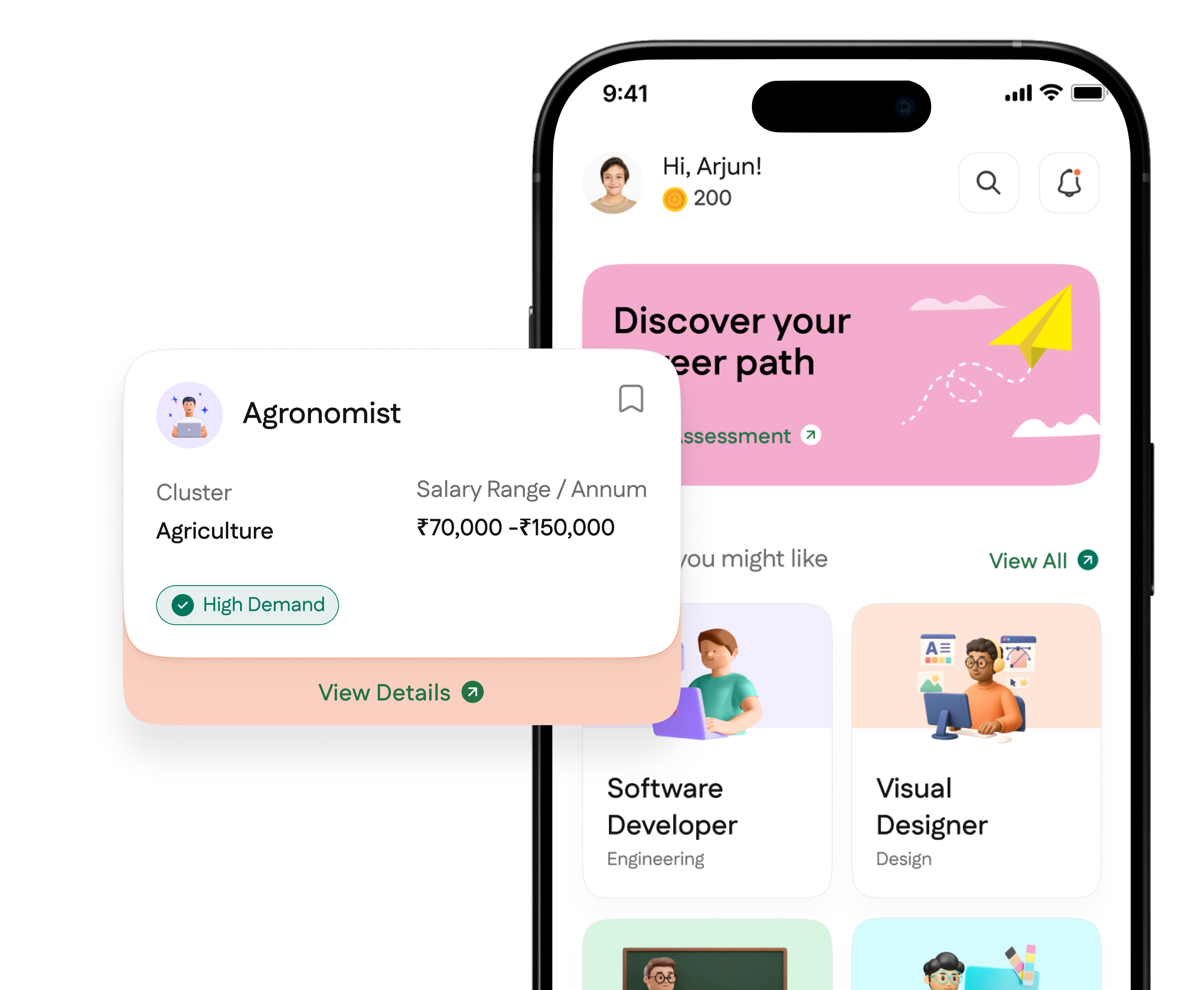
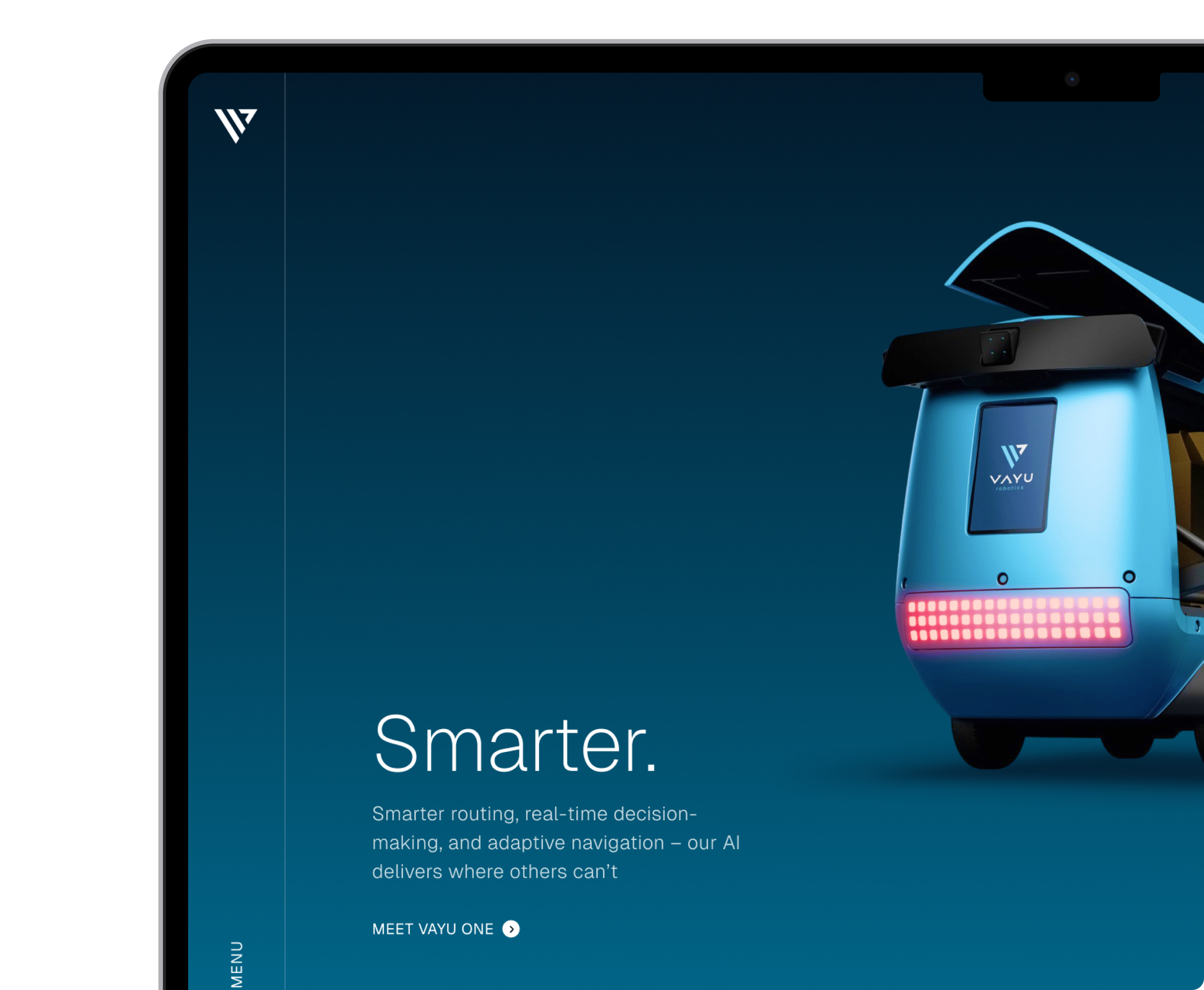
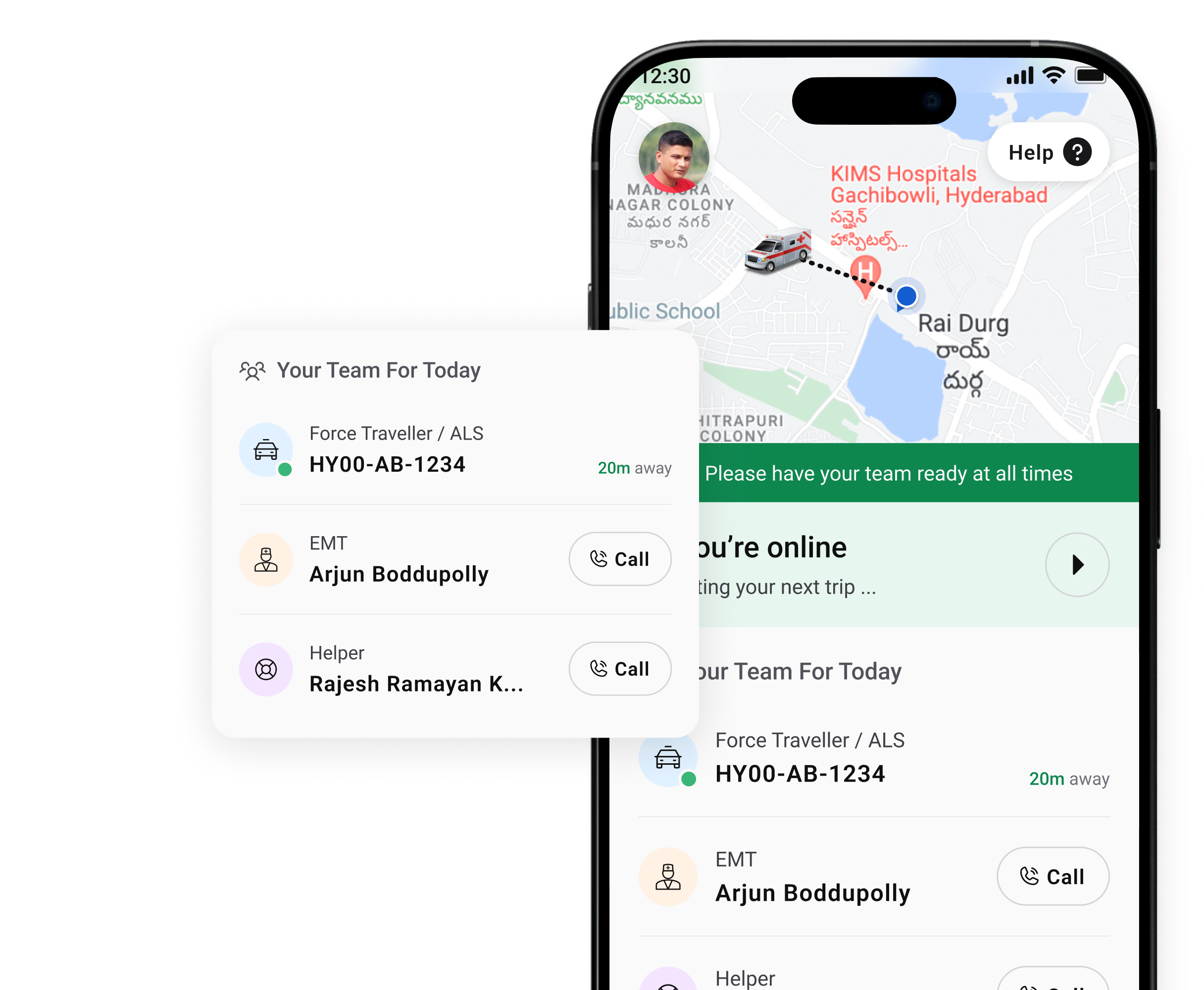
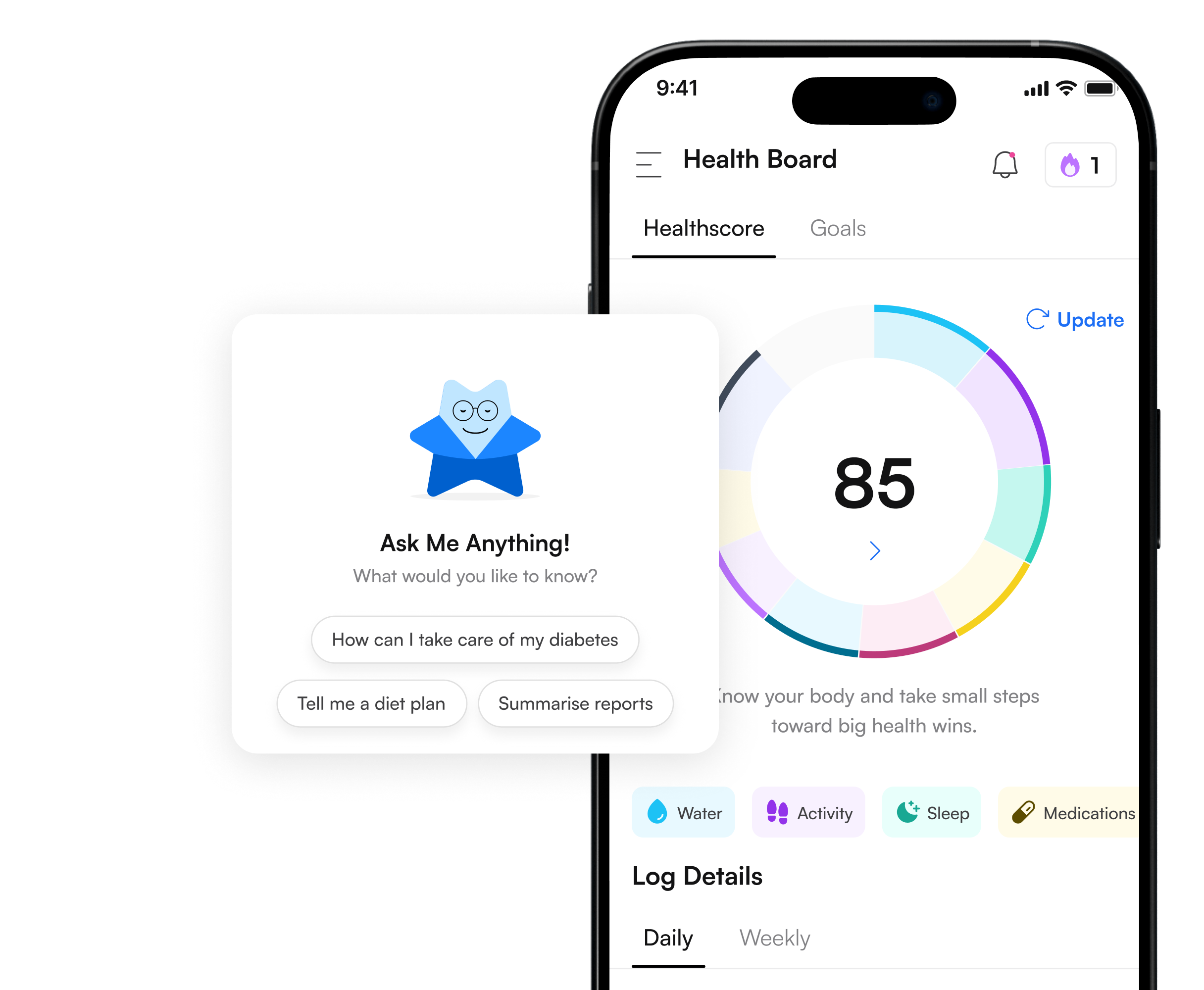
Service Design plays a pivotal role in UI/UX design by ensuring that all user touchpoints and interactions are planned cohesively rather than in isolation. It helps bridge gaps between digital interfaces and broader service experiences.
By focusing on the end-to-end journey, service design enables UX teams to anticipate how users move through systems, platforms, and channels, ensuring smoother transitions and fewer friction points.
Incorporating service design into UI/UX practice ensures that design decisions support consistent, efficient, and meaningful experiences, aligning user needs with business processes and objectives across every interaction.
.avif)


UX design focuses on the experience a user has inside a specific product; the app, the website, the interface. Service design zooms out to everything surrounding that product: the processes that support it, the teams that run it, the physical and digital touchpoints a user encounters before and after they open the app. A well-designed app sitting inside a broken service ecosystem still produces a broken experience.
The distinction matters because fixing the interface won't help if the problem is actually upstream — in a support workflow that takes three days to respond, or an onboarding process that requires five departments to coordinate before a user can do anything useful. Service design is what you reach for when the UX problem turns out to be an organizational problem in disguise.
The clearest signal is when users complain about things the design team has no control over. The app is fine but the delivery is late. The checkout works but the return process is punishing. The onboarding flow is clean but the support ticket takes a week. These are service failures, not interface failures, and no amount of redesigning the UI resolves them.
Other signs: users drop off between digital and physical touchpoints, different teams are optimizing their individual steps without anyone watching the journey end-to-end, or a product has been redesigned multiple times without resolving the same underlying complaints. At that point, the problem is the system, not the screen.
Journey mapping is one tool inside service design, not a synonym for it. A customer journey map documents what users experience. Service design uses that map as a starting point, then goes further — into the backstage processes, internal systems, and team structures that produce that experience. Service blueprints, stakeholder mapping, and co-design sessions with frontline teams are what convert a journey map into actual change.
The difference in output is significant. A journey mapping workshop produces a wall of sticky notes everyone agrees is insightful and then goes back to their desks. A service design engagement produces a restructured process, an aligned team, and a set of changes that can actually be implemented. NetBramha's strategy work treats service design as an execution-ready discipline, not a documentation exercise.
Any industry where the user experience spans multiple teams, channels, or physical touchpoints is a candidate — fintech, healthcare, real estate, and travel are where the complexity is usually highest. When NetBramha redesigned SIXT's car rental platform, the challenge wasn't the interface in isolation — it was coordinating a consistent digital experience across 130+ countries and 2,000+ locations, where the backstage operations and regulatory contexts vary enormously by market.
That kind of service complexity doesn't get resolved by better visual design. It requires mapping the full system, understanding where the handoffs break down, and rebuilding the experience architecture around what users actually encounter rather than what the product team intended.
The deliverable is a service blueprint — a detailed map of every touchpoint, backstage process, and supporting system involved in the experience — alongside a prioritized set of interventions and the design work to execute them. Not a presentation that ends with recommendations. The same team that maps the service is the one that redesigns it.
Timeline depends on the scope of the service being examined. A single customer journey with a defined start and end point can move quickly. An organization-wide service redesign touching multiple departments and channels is a longer engagement. Get in touch with a description of what's broken, and we'll tell you honestly what fixing it actually involves.