.avif)
Design Thinking is a human-centred approach that focuses on solving complex problems by deeply understanding user needs, reframing challenges, and creating innovative solutions through iterative prototyping and testing. It enables teams to explore ideas, test assumptions, and build solutions grounded in real user perspectives and experiences.
Human Empathy
Focuses on deeply understanding user behaviors, motivations, and expectations to ensure solutions address real problems rather than assumed challenges within the organization.
Problem Reframing
Encourages teams to redefine complex challenges by examining root causes, allowing more meaningful and effective solutions to emerge.
Creative Ideation
Promotes generating diverse ideas collaboratively before selecting solutions, increasing the likelihood of innovative and practical outcomes.
Iterative Prototyping
Supports building and refining prototypes through continuous testing, enabling teams to learn quickly and improve concepts effectively.
User Validation
Ensures ideas and solutions are tested with users early, reducing risks and improving confidence in final implementations.
Strategic Alignment
Aligns innovation efforts with business objectives, ensuring solutions are desirable for users and viable for organizations.
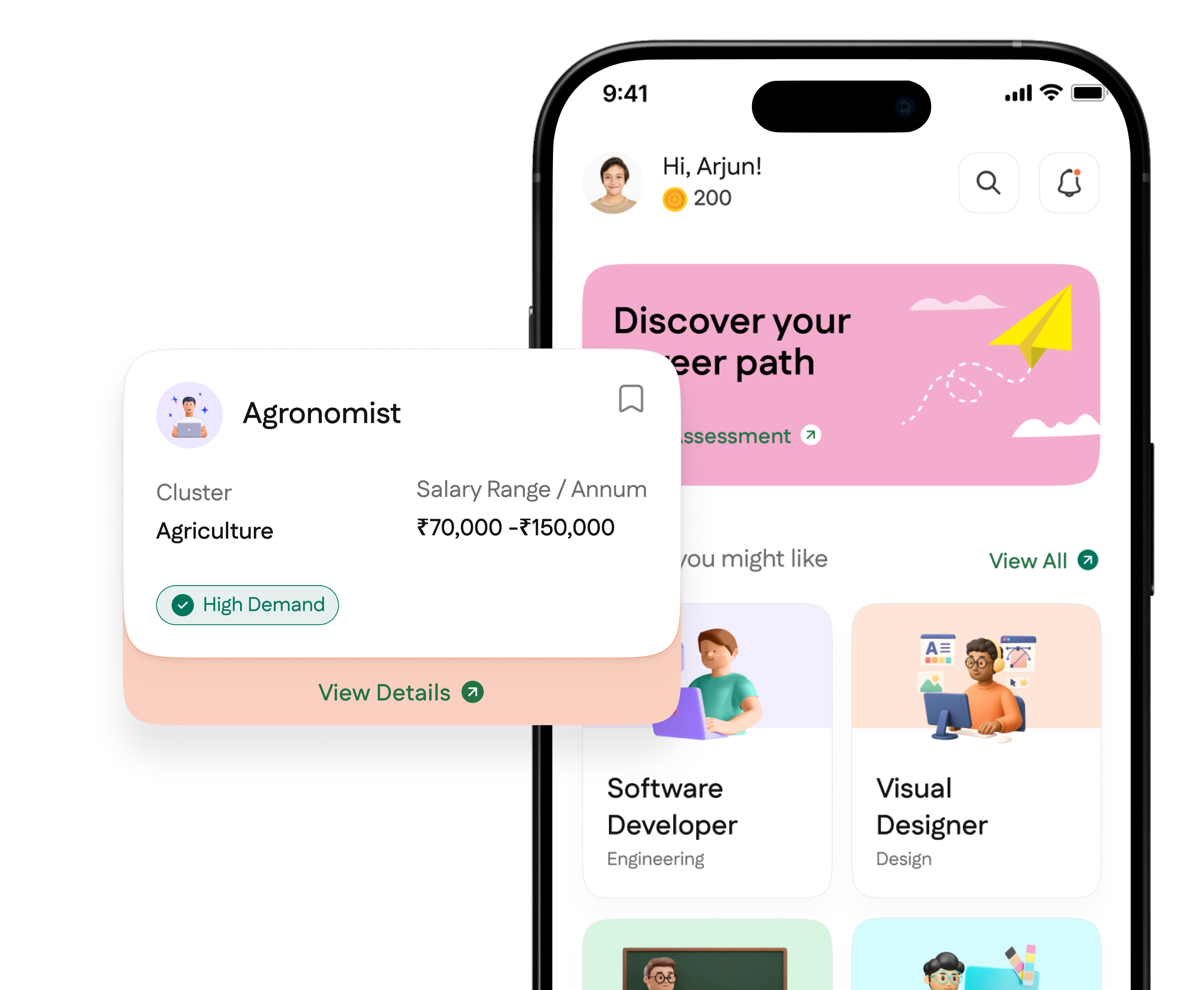
Design Thinking plays a foundational role in UI/UX design by helping teams build deep user empathy before defining solutions. By understanding behaviors, motivations, and expectations, designers can frame challenges accurately and create interfaces that address genuine user needs.
It enables structured ideation and rapid prototyping, allowing multiple design concepts to be explored and tested efficiently. This iterative approach helps refine usability and ensures solutions evolve based on real feedback.
By validating ideas early and aligning them with organizational objectives, design thinking ensures UI/UX solutions are desirable for users and strategically viable, resulting in meaningful and sustainable digital experiences.
.avif)


It means starting with the problem instead of the solution. Most product teams work the other way — someone proposes a feature, the team debates it, and research gets commissioned to justify a decision that was already made. Design thinking flips the sequence: understand the user situation first, define the actual problem from that understanding, then generate solutions.
The five stages — empathize, define, ideate, prototype, test — aren't a rigid checklist. They're a way of making sure a team doesn't sprint toward an answer before it's confident it's asking the right question.
A standard product strategy session usually starts with what the company wants to build and works backward to justify it. A design thinking workshop starts with what users actually experience and works forward from there — which often means the session surface a completely different problem than the one the team walked in with.
The facilitation matters enormously here. NetBramha runs these workshops for enterprise teams across India, the UK, the US, and the Middle East, and the most common outcome isn't a validated idea — it's a reframed problem statement that changes which ideas are worth pursuing at all.
The stages are easy to find. Running them well with a real cross-functional team, under time pressure, with stakeholders who have pre-formed opinions, is a different skill entirely. A poorly facilitated ideation session produces a list of features nobody will build. A well-run one produces a prioritized direction with team buy-in already built in.
The other thing a consultant adds is the ability to tell the team when the process is producing noise rather than signal — and to redirect it without derailing the room. That judgment only comes from having run enough of these to know what a useful output actually looks like.
It works particularly well for enterprise products, which tend to have more stakeholder complexity, longer sales cycles, and user groups whose actual workflows are poorly understood by the teams designing for them. The empathy stage, which often gets skipped in B2B because "we know our customers," is frequently where the most valuable insight surfaces.
When NetBramha worked on Planera's construction scheduling platform, the users were project managers on active construction sites, not a user group whose behavior was easy to simulate in a workshop. Design thinking provided the structure to surface those workflows systematically before a line of the product was built.
Not always. If the problem is already well-defined and the team just needs execution, design thinking workshops add process overhead without proportionate value. It's most useful when the problem statement itself is unclear, when different stakeholders disagree on what the real issue is, or when previous solutions haven't worked and the team doesn't know why.
NetBramha's strategy engagements start by figuring out which tool fits the situation, not by defaulting to the same process every time. Get in touch and we'll tell you whether design thinking is actually what your problem needs, or whether something else would get there faster.