.avif)
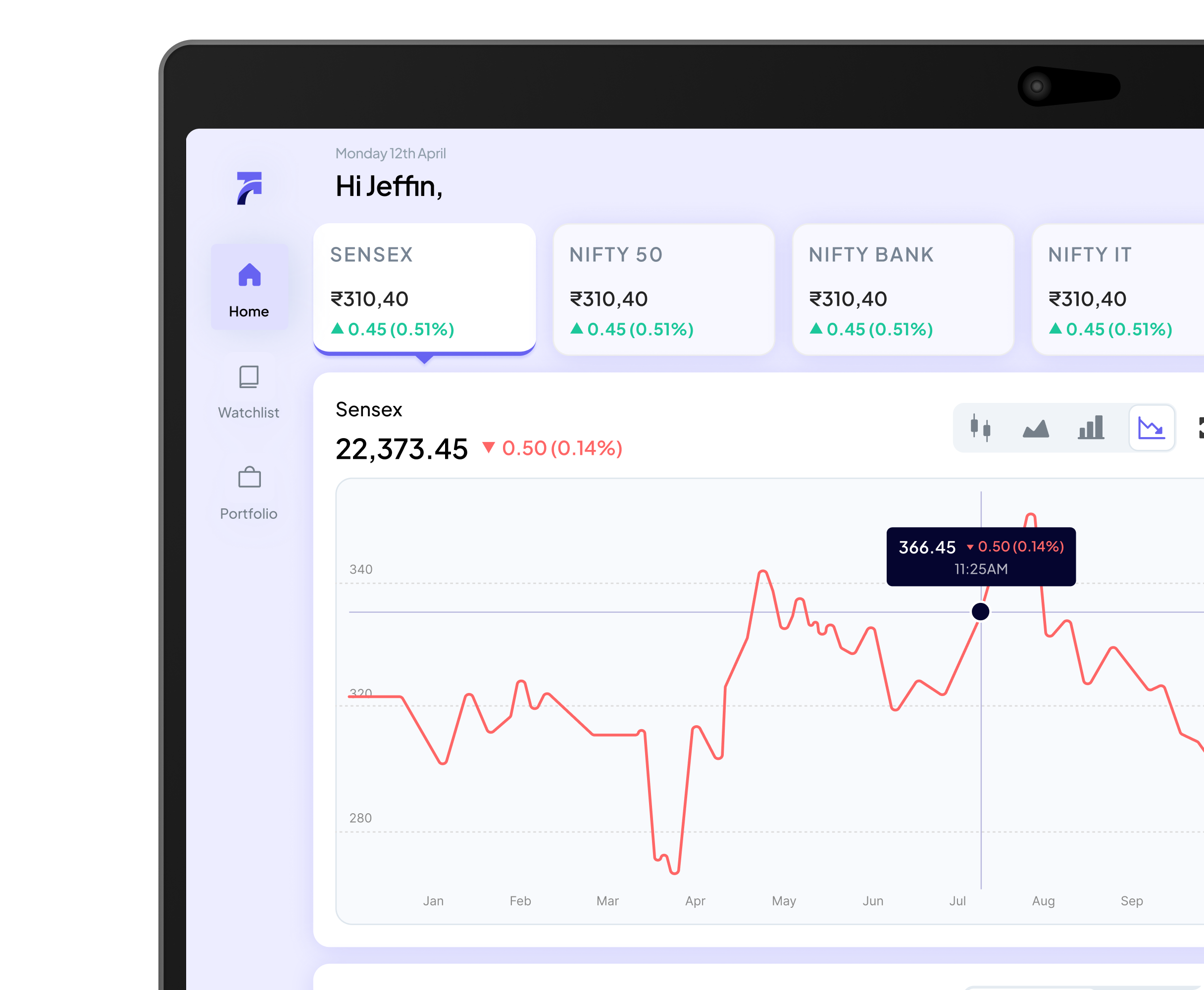
Wireframing is the process of creating the initial skeleton structure of a website or application interface before visual design elements are applied. It focuses on layout, content placement, navigation flow, and functionality, helping teams define structure clearly before investing in detailed UI design decisions.
Structure Definition
Helps define the foundational layout and organization of content, ensuring that functionality and hierarchy are clearly established before visual styling begins.
Content Hierarchy
Clarifies how information is arranged and prioritized, making it easier to evaluate structure without distraction from colors or graphics.
Usability Planning
Allows teams to assess interaction flow and navigation logic early, reducing the risk of structural usability issues later.
Stakeholder Alignment
Provides a simple visual reference that helps stakeholders understand layout decisions and functional intent clearly.
Early Iteration
Enables quick adjustments and refinements to layout and functionality before committing to high-fidelity designs.
Efficient Communication
Facilitates collaboration between designers, developers, and stakeholders through clear structural representation.
Wireframing plays a foundational role in UI/UX design by creating a clear structural blueprint of the interface before visual elements are introduced. It allows teams to focus on layout, navigation, and interaction flow without distraction.
By defining content hierarchy and functional structure early, designers can validate usability logic and ensure the interface supports user goals effectively.
It also strengthens cross-functional collaboration by providing a shared visual reference, ensuring that design intent, structure, and functionality are clearly understood before detailed UI development begins.
.avif)


The cost shows up in the first round of stakeholder feedback, when someone points out that the navigation doesn't match how users actually think about the product, or that the content hierarchy buries the most important action on the screen. At that point, the visual design gets scrapped or patched — and patched visual design almost always looks like patched visual design.
Wireframing is cheap to change. A high-fidelity screen with component libraries, spacing systems, and brand assets applied is not. The teams that skip wireframing don't save time — they spend it later, under more pressure, with less flexibility to make the right structural call.
Low-fidelity wireframes — rough boxes and labels — are for testing structure and flow logic before anyone has opinions about how things look. High-fidelity wireframes are for communicating interaction detail to developers when the structure is already agreed on. Using high-fidelity too early is one of the most common and expensive mistakes in the design process, because it anchors stakeholder feedback on aesthetics before the underlying structure is sound.
NetBramha defaults to low-fidelity in the early stages for exactly this reason. The conversation in a low-fidelity review is about whether the flow is right. The conversation in a high-fidelity review should be about whether the execution is right — those are different problems, and they need different inputs.
Construction scheduling involves multiple user roles — project managers, site supervisors, subcontractors — each working with different information at different points in the same job. Wireframing was the stage where those role-based flows got mapped and tested against each other before a single visual decision was made.
What surfaced early was a conflict: the information a project manager needs to see at a glance is exactly the information a site supervisor needs buried, because surface-level visibility for one role creates cognitive overload for the other. Resolving that at the wireframe stage cost a few iterations. Resolving it after visual design would have cost a full redesign.
A wireframe strips out color, imagery, and brand voice — the things stakeholders have the strongest opinions about — and forces the conversation onto structure, hierarchy, and flow. That's a much more productive disagreement to have. "Should the CTA be blue or green" is a subjective argument. "Should the primary action be here or one step earlier in the flow" is a testable one.
NetBramha uses wireframing as a deliberate alignment tool in cross-functional teams, particularly on enterprise products where product, engineering, and business stakeholders are all in the room with different priorities. Teams we've worked with from Chicago to Doha consistently find this the stage where the most productive disagreements — the ones that actually improve the product — finally surface.
Yes, significantly. A wireframe designed for desktop and then adapted to mobile almost always produces a compromised mobile experience, because the hierarchy that works with a wide viewport often breaks on a narrow one. Responsive wireframing means designing the mobile state first and expanding outward, not shrinking down from desktop.
For products serving users across different regions, this gets more complex — right-to-left language support, varying screen sizes in different markets, and different interaction norms all need to be accounted for in the wireframe before visual design locks anything in. NetBramha builds these constraints into the wireframing stage rather than discovering them during developer handoff. Get in touch if you're building across multiple surfaces and want to get the structure right before anything gets designed.