.avif)
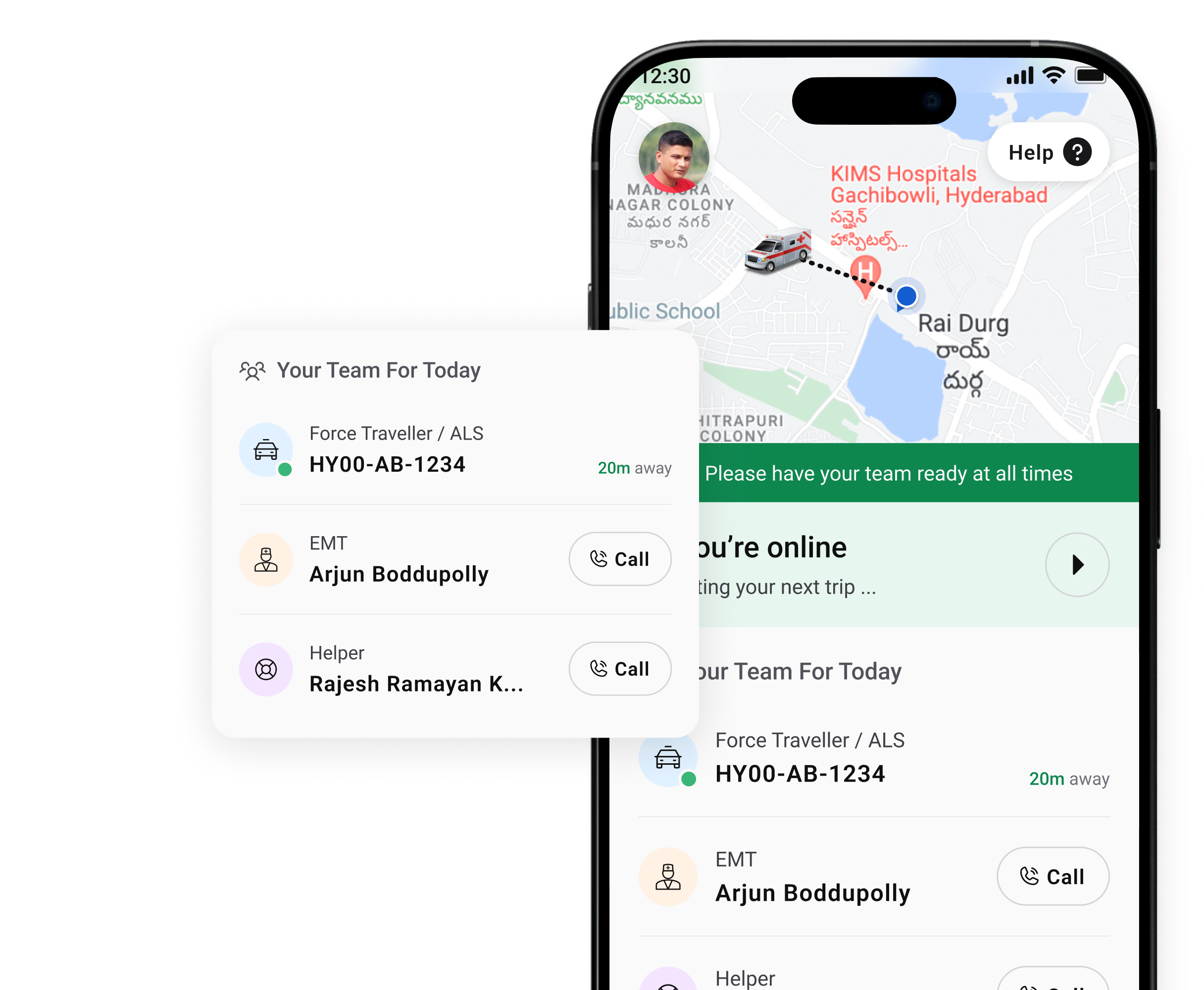
Heuristic Evaluation is a usability inspection method where UX experts evaluate a product’s interface against established usability principles or heuristics. It helps identify usability issues, inconsistencies, and design gaps by systematically reviewing the interface without involving end users directly.
Expert Review
Involves usability experts assessing interfaces against established usability principles.
Usability Gaps
Identifies inconsistencies and interaction issues within the product experience.
Early Detection
Discovers potential usability problems before user testing stages.
Cost Effective
Reduces redesign efforts by identifying issues early in development.
Structured Analysis
Uses defined heuristics to systematically evaluate user interfaces.
Actionable Insights
Provides clear recommendations to improve usability and interaction flow.
Improved Experience
Enhances overall product usability through expert-driven evaluation.
Heuristic evaluation plays a critical role in UI/UX design by allowing experts to assess interfaces against recognized usability principles. This structured review helps uncover usability issues that may affect user satisfaction and interaction efficiency.
It enables teams to detect design inconsistencies and friction points early in the product lifecycle. By identifying issues before user testing, teams can refine the experience proactively.
Through systematic expert analysis, heuristic evaluation supports the creation of more intuitive and user-friendly interfaces, ensuring the product aligns with usability standards and delivers a seamless experience.
.avif)


Heuristic evaluation is an expert review where UX specialists examine your interface against established usability principles, without involving real users at all. Usability testing, by contrast, puts actual users in front of the product and watches where they struggle.
The two aren't interchangeable. Heuristic evaluation is faster and cheaper, and it catches structural issues before you've spent money recruiting participants. NetBramha typically runs heuristic evaluation first, then usability testing to validate the fixes.
Research by usability researcher Jakob Nielsen found that a single evaluator working alone catches around 35% of usability problems in an interface, while a panel of five independent evaluators catches close to 75%.
This is why NetBramha never runs heuristic evaluation with a single reviewer. Our evaluations use multiple UX experts working independently before consolidating findings, which is the model the original research shows actually works.
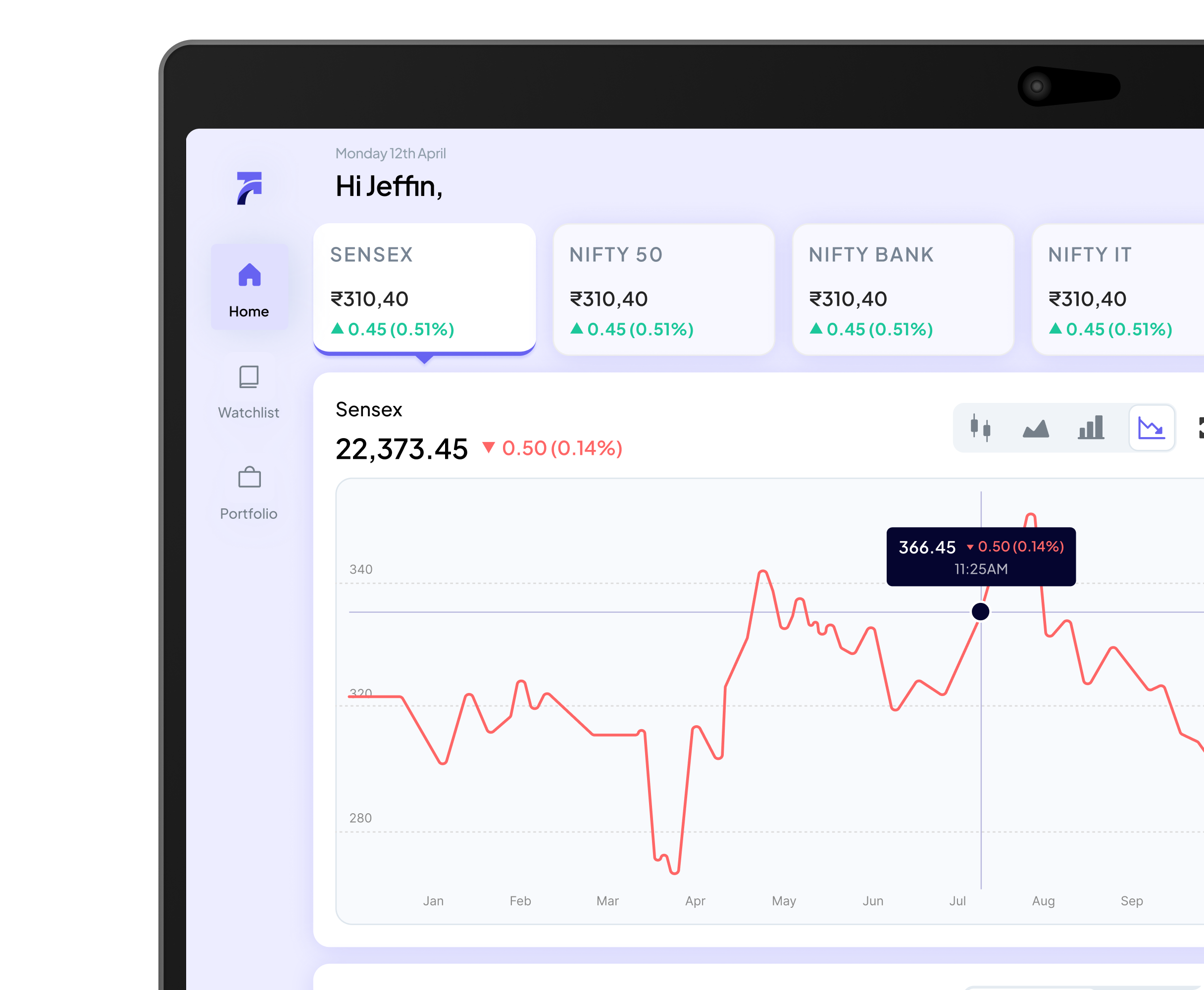
A lot of heuristic evaluations are really just a checklist run against Nielsen's ten heuristics, with no context on your specific users or industry. Ours isn't. When we redesigned Geojit's trading platform, the evaluation wasn't just about interface consistency.
It looked at how financial credibility and investor confidence show up in layout and information hierarchy, because for a trading product, a usability issue and a trust issue are often the same thing.
Run it before development starts, or before you commit budget to user testing. Catching structural issues at this stage is far cheaper than fixing them after the product has shipped, since redesign costs multiply once code and content are built around a flawed pattern.
It also works well as a fast gut-check when a team suspects something is wrong but can't pinpoint it, feeding directly into NetBramha's research and design stages.
Yes. We've evaluated interfaces for teams in the US, UK, and Middle East, including studios we work with in London and Singapore, and heuristic principles hold up across markets, though what counts as a violation can shift with language, layout direction, and local user expectations.
With 18+ years across 25+ countries, we account for that context rather than applying a single Western usability checklist everywhere. Get in touch if you want an evaluation scoped to your market.