.png)
Turing is a leading AI company accelerating frontier research through advanced machine learning and enterprise AI systems.
Its AI models learn from precisely crafted visual datasets, transforming real-world imagery into structured illustration styles for accurate model training.
Our mission was to design diverse illustration styles that translated real-world photographs into distinct visual patterns — precise blueprints for AI model training.
through Sketch, Cartoon, Steampunk, etc.
by modelling photographs into exact styles.
across people, materials, colours, themes.
through detailed work on tight timelines.
Converted reference photographs into precise illustration styles while preserving composition, structure, and visual consistency for AI training.
.png)
Applied distinct artistic styles to human portraits, maintaining facial identity, proportions, and contextual details across variations.
Recreated abstract compositions as structured illustrations, preserving forms, depth, and visual relationships for accurate model learning.
.png)
Illustrated detailed architectural environments with consistent line work, perspective, and structural accuracy across complex scenes.
Converted reference photographs into precise illustration styles while preserving composition, structure, and visual consistency for AI training.
Converted reference photographs into precise illustration styles while preserving composition, structure, and visual consistency for AI training.
Applied distinct artistic styles to human portraits, maintaining facial identity, proportions, and contextual details across variations.
Applied distinct artistic styles to human portraits, maintaining facial identity, proportions, and contextual details across variations.
Recreated abstract compositions as structured illustrations, preserving forms, depth, and visual relationships for accurate model learning.
Recreated abstract compositions as structured illustrations, preserving forms, depth, and visual relationships for accurate model learning.
Illustrated detailed architectural environments with consistent line work, perspective, and structural accuracy across complex scenes.
Illustrated detailed architectural environments with consistent line work, perspective, and structural accuracy across complex scenes.
For Turing, we built five illustration styles — precise training blueprints for AI rendering.
accurate photo-to-style translation across sets.
variations spanning contexts, colours, emotions.
client satisfaction with the final outcome.
.png)
Translated group photographs into expressive cartoon illustrations while preserving poses, proportions, and character identity.
.png)
.png)
Converted portrait photography into detailed sketch illustrations with refined line work and realistic facial features.
.png)
Recreated fashion photography in a cyberpunk aesthetic using futuristic lighting, colours, and visual effects.
.png)
.png)
Illustrated wildlife imagery in a clean cartoon style while retaining natural forms, textures, and environmental details.
.png)
Applied cyberpunk styling to cityscapes by transforming architectural photography into futuristic urban environments.
.png)
.png)
Reimagined lifestyle photography with steampunk-inspired costumes, props, and industrial visual storytelling.
.png)
Produced cyberpunk portraits with neon lighting, sci-fi accessories, and cinematic visual treatments.
.png)
.png)
Converted family photography into vibrant cartoon illustrations while maintaining composition and individual expressions.
.png)
Created action-focused sketch illustrations that preserved movement, anatomy, and dynamic character poses.
.png)
.png)
Designed stylised architectural illustrations with simplified forms while preserving structural accuracy and perspective.
.png)
Crafted detailed steampunk airships by combining real-world references with intricate mechanical design elements.
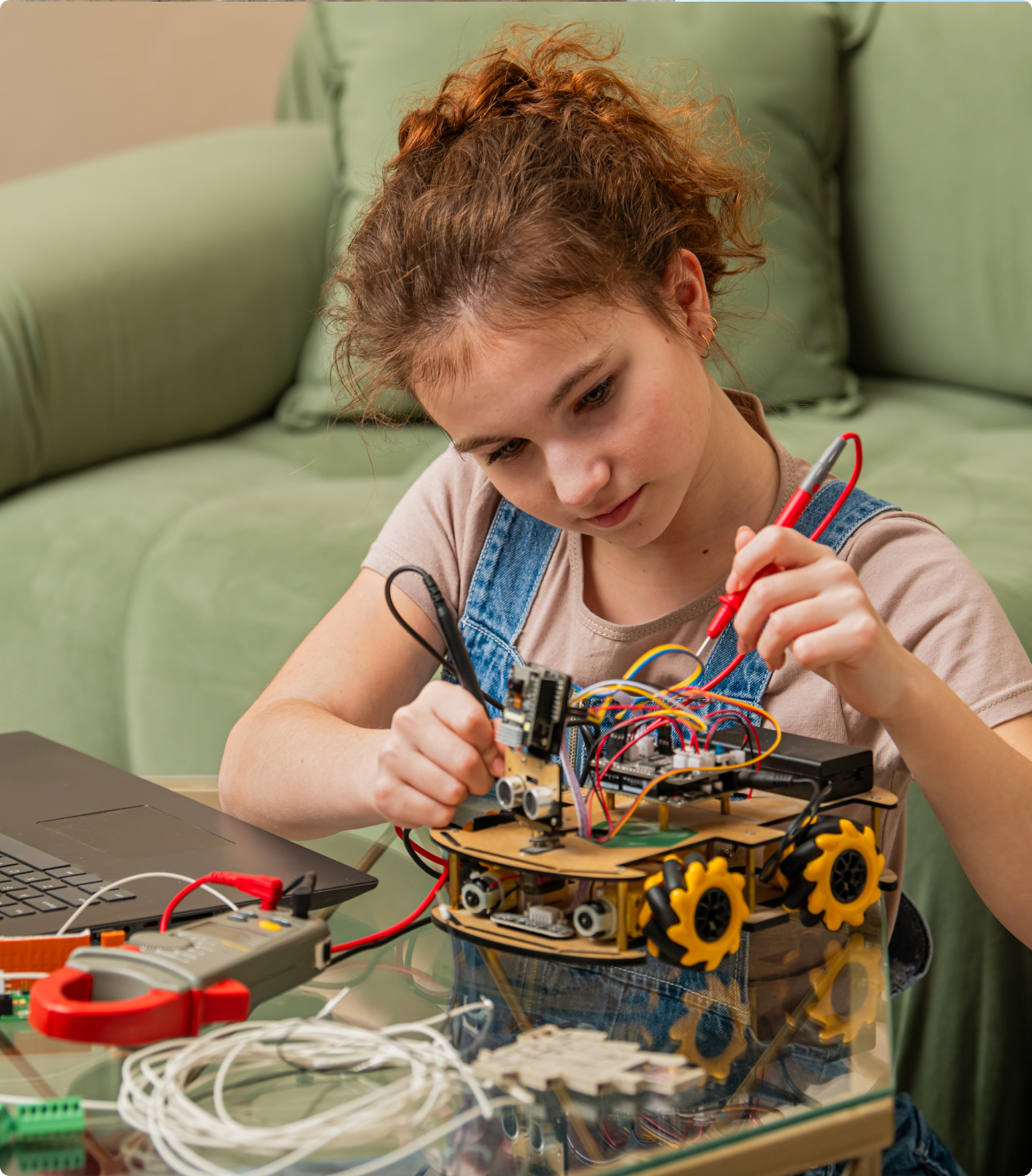
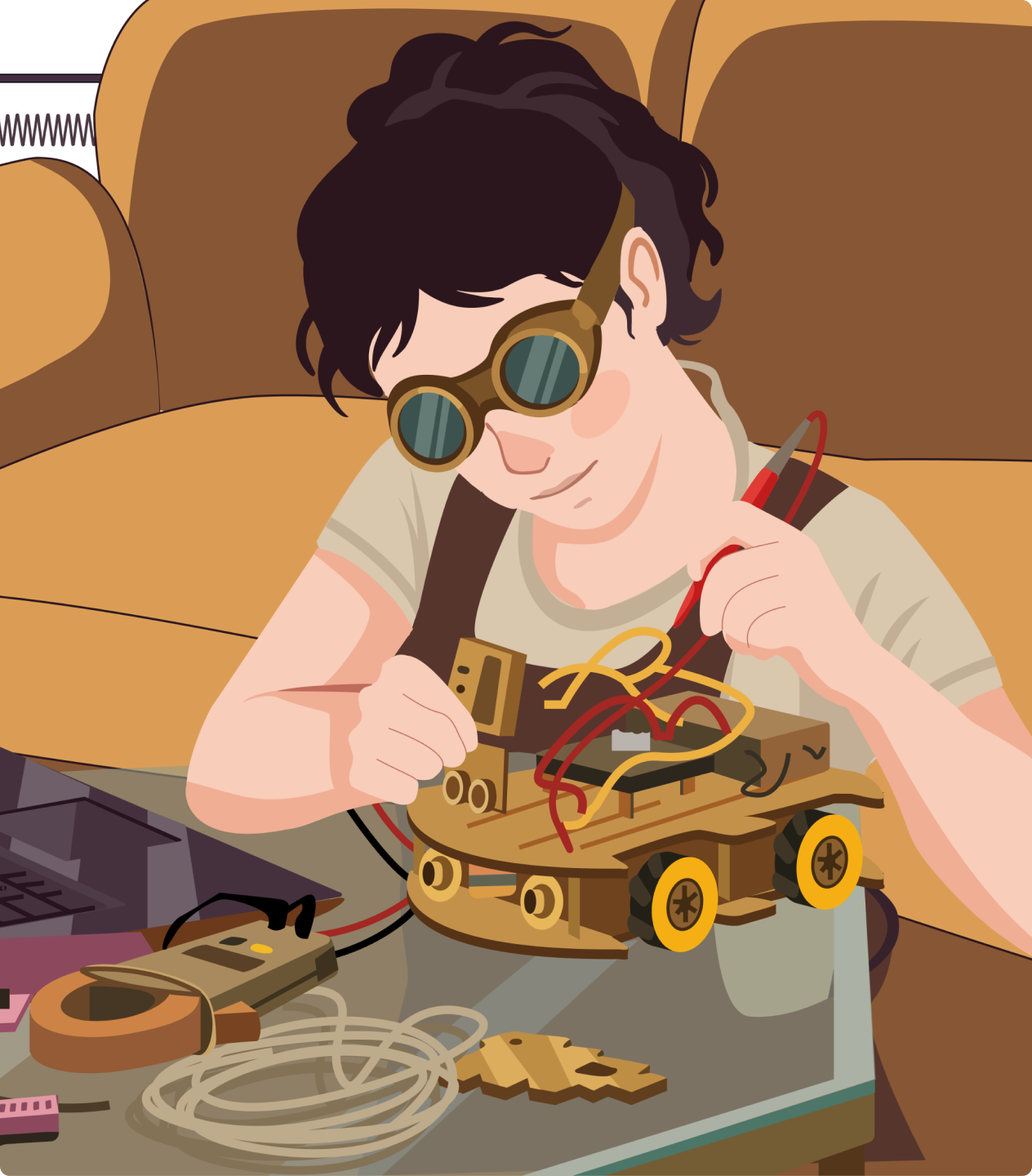
Illustrated everyday scenes in a playful cartoon style while maintaining visual clarity and recognisable subject details.


Turing needed diverse and precise illustration styles that could transform real-world photographs into structured visual patterns for AI model training. NetBramha developed five distinct styles, including sketch, cartoon, steampunk and other visual treatments, while preserving composition, structure, proportions, and contextual details across different types of imagery.
The project required a combination of visual design expertise and systematic illustration thinking. NetBramha’s illustration design services can help AI and technology companies create consistent visual systems that translate complex ideas and datasets into purposeful visual experiences.
Illustrations can provide structured visual references for AI systems when they are created with consistency and precision. For Turing, NetBramha translated photographs of people, wildlife, architecture, fashion, and everyday scenes into distinct visual styles while retaining important visual relationships, forms, proportions, and details.
This makes illustration more than a purely aesthetic exercise. For AI-focused businesses looking for a UI/UX design studio in San Francisco, the Turing project demonstrates how visual design can be approached systematically to support emerging technology and machine learning applications.
A key challenge was translating different types of reference imagery into recognisable styles without losing the underlying structure of the original content. NetBramha worked across character portraits, group photographs, abstract compositions, cityscapes, architecture, wildlife, and lifestyle imagery while maintaining consistency within each visual style.
This required attention to line work, perspective, colour, composition, facial identity, proportions, and contextual details. Such consistency is also central to building strong visual design systems for technology products that need to scale across multiple content types and user experiences.
The Turing project involved creating a broad library of AI-focused visual assets across multiple styles and contexts, demonstrating how NetBramha can work on specialised visual design challenges for technology products. The work combined creative exploration with the precision required for AI training datasets.
For AI companies operating in international technology markets, NetBramha brings together design strategy, visual design, and product thinking. Companies looking for a UI/UX design studio in London can explore this approach when developing AI products that require distinctive and scalable visual experiences.
Traditional illustration often prioritises artistic expression or storytelling, while Turing’s project required illustrations to function as precise visual references for AI model training. NetBramha had to preserve composition, structure, identity, perspective, and other important characteristics while translating photographs into distinct artistic styles.
The result was a visual system designed around precision, diversity, and repeatability rather than individual artwork alone. This type of challenge sits at the intersection of AI product design and visual communication, where design decisions need to work consistently across large and varied sets of content.
Recommended Next

.png)