ACT (Atria Convergence Technologies) is India’s fifth-largest internet service provider, operating across eight states and delivering FTTH broadband and digital TV services to over 2 million subscribers.
Field operations relied on multiple disconnected backend tools, creating inefficiencies, manual dependencies, and limited real-time visibility.
Our mission was to digitally transform ACT’s internal operations by unifying all backend tools into a single, end-to-end workflow management platform - enabling seamless communication, real-time data capture, and scalable user experiences for technicians, team leads, and managers.
through streamlined digital workflows.
improving accuracy and responsiveness.
enabling ACT to grow into new geographies.
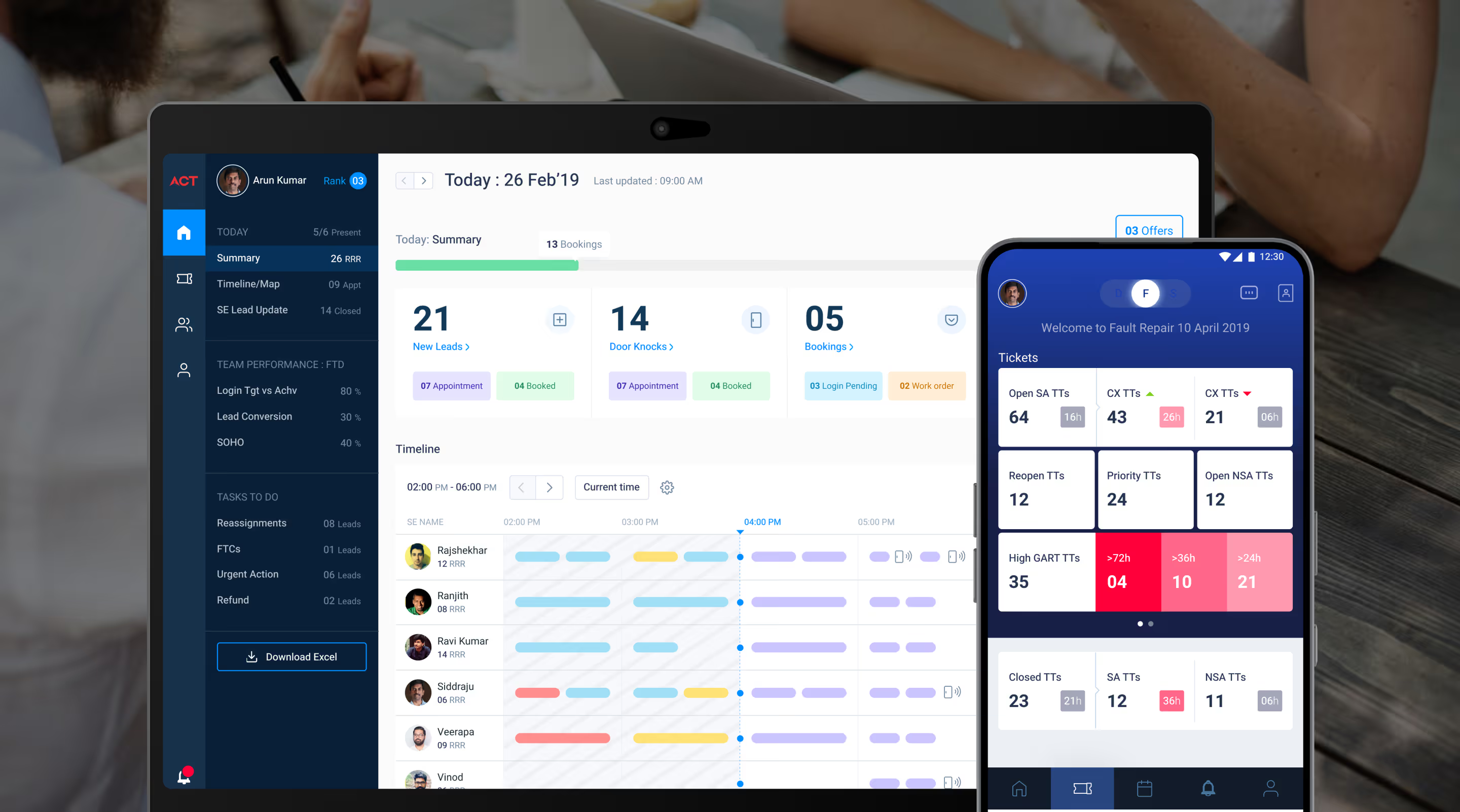
Real-time, role-based dashboards centralized field data, reducing errors and enabling faster decisions.
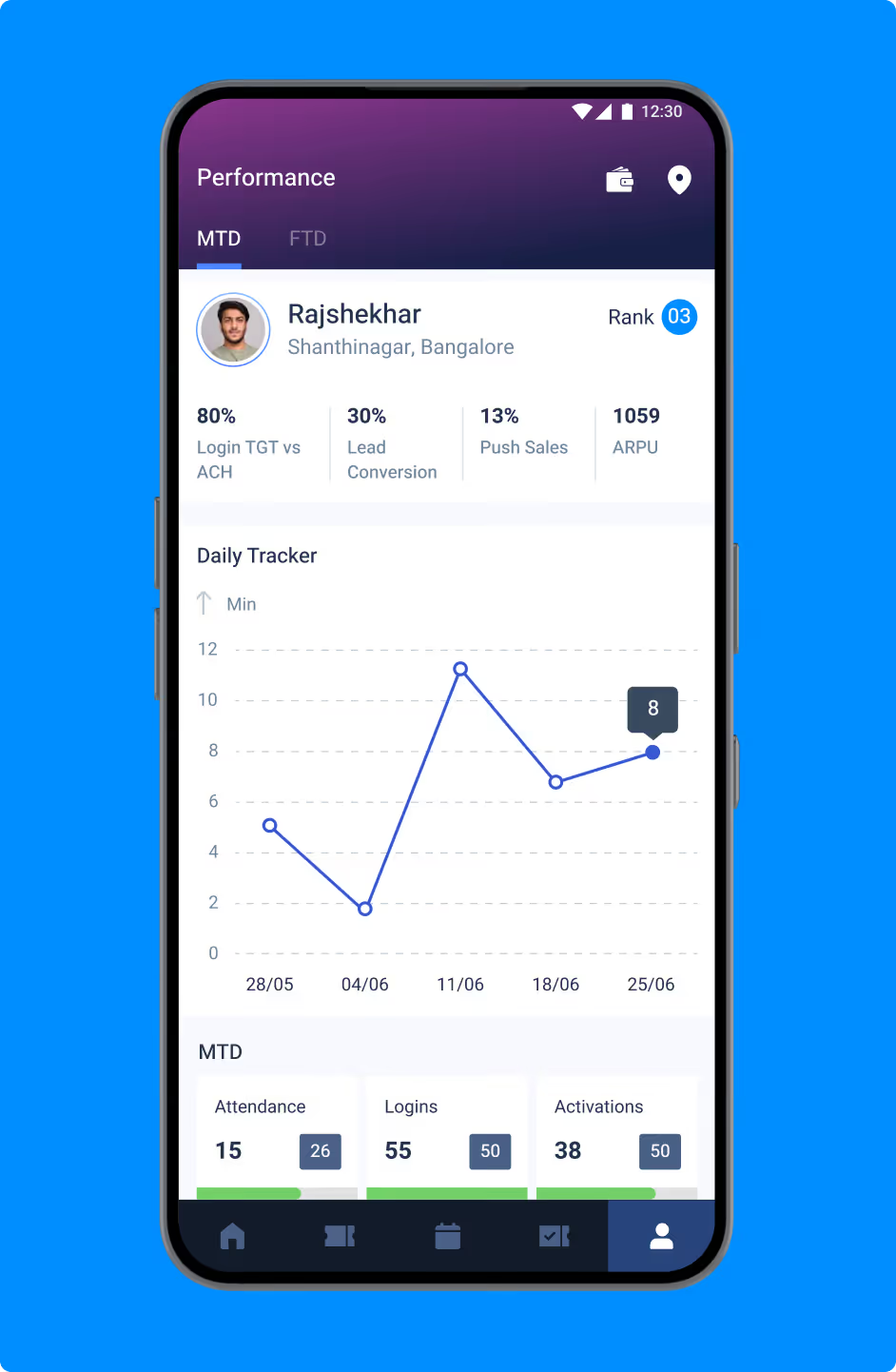
Role-based metrics and live tracking enabled productivity monitoring and data-driven operational oversight.
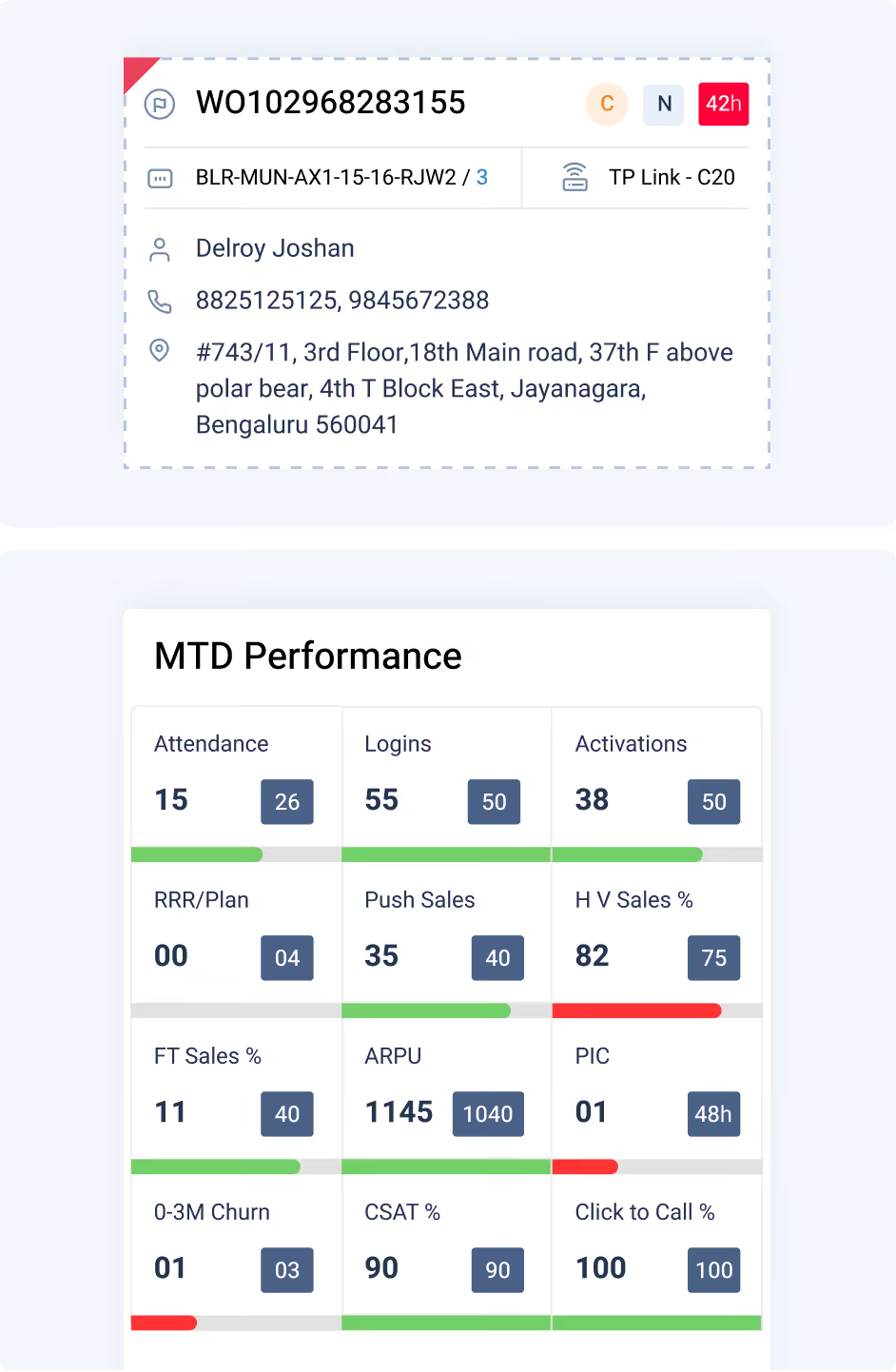
Detailed wireframes structured ticket metrics, SLA states and priorities into a scannable interface.
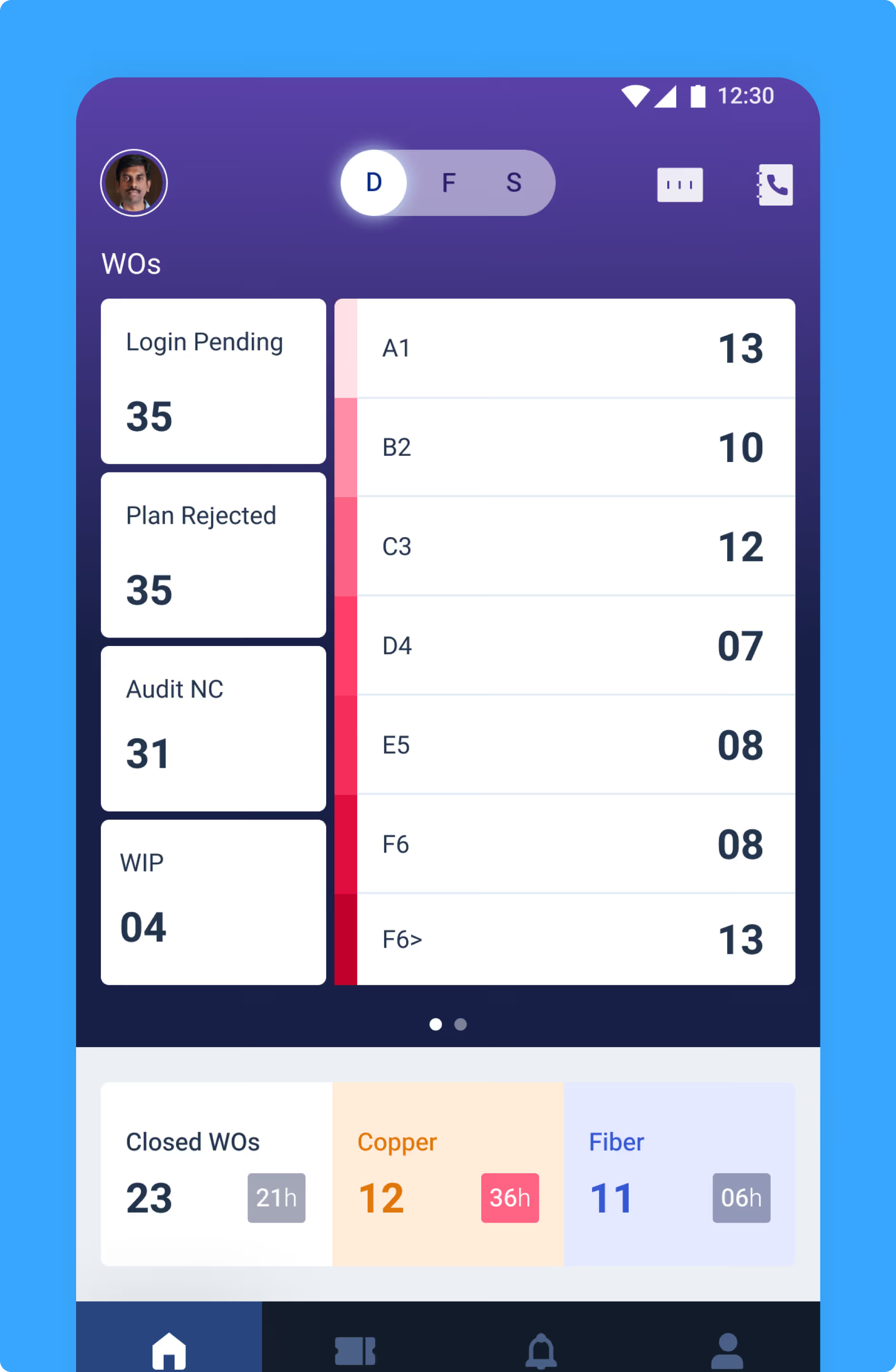
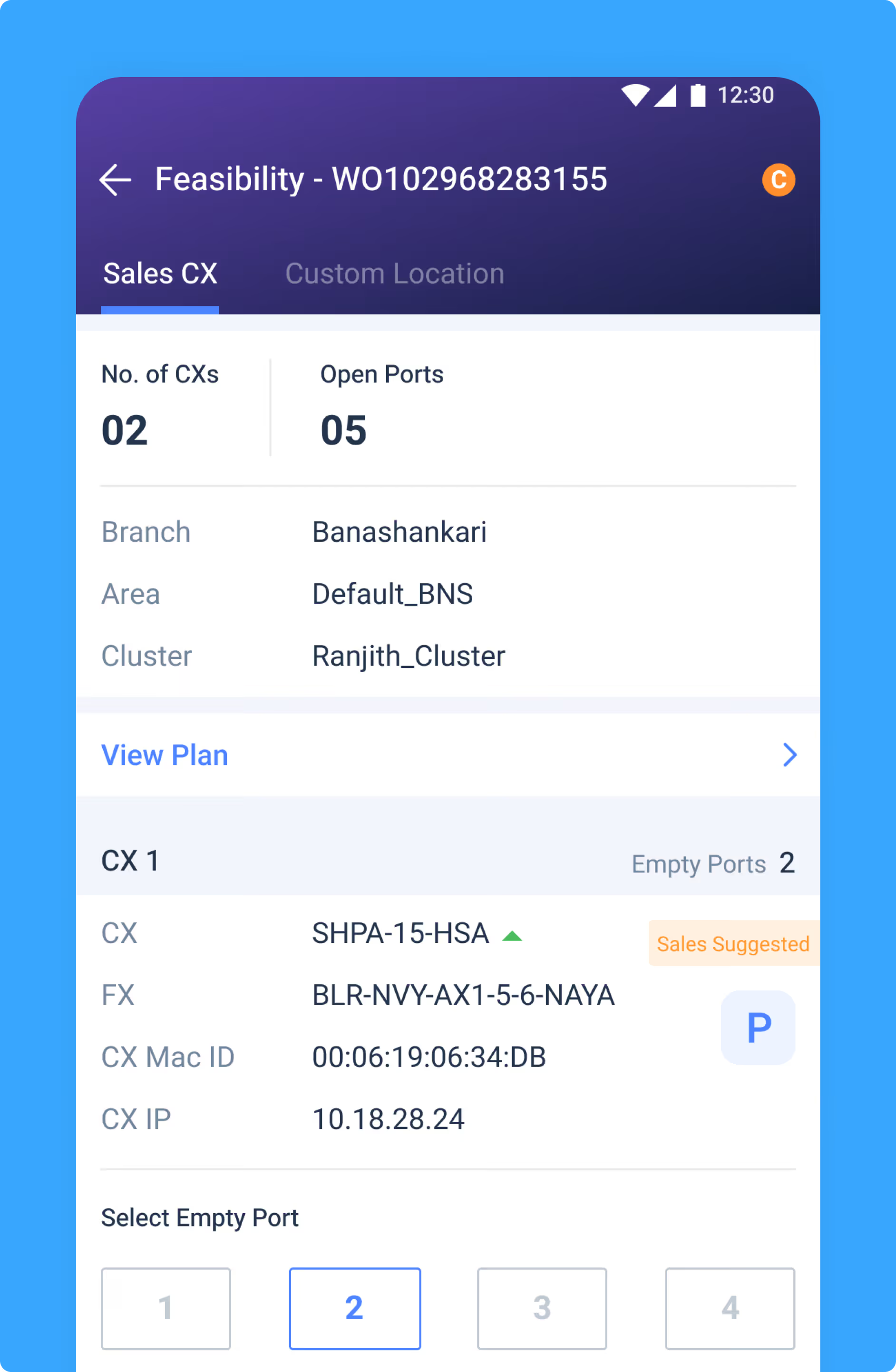
A focused mobile UI surfaced work orders and task progress for field teams.
Real-time, role-based dashboards centralized field data, reducing errors and enabling faster decisions.
Real-time, role-based dashboards centralized field data, reducing errors and enabling faster decisions.
Role-based metrics and live tracking enabled productivity monitoring and data-driven operational oversight.
Role-based metrics and live tracking enabled productivity monitoring and data-driven operational oversight.
Detailed wireframes structured ticket metrics, SLA states and priorities into a scannable interface.
Detailed wireframes structured ticket metrics, SLA states and priorities into a scannable interface.
A focused mobile UI surfaced work orders and task progress for field teams.
A focused mobile UI surfaced work orders and task progress for field teams.
For ACT, the redesign unified fragmented field operations, improved real-time visibility and data accuracy, and enabled faster issue resolution - powering scalable service delivery across regions.
of multiple tools into one platform.
through real-time data and automation.
through standardized operations.
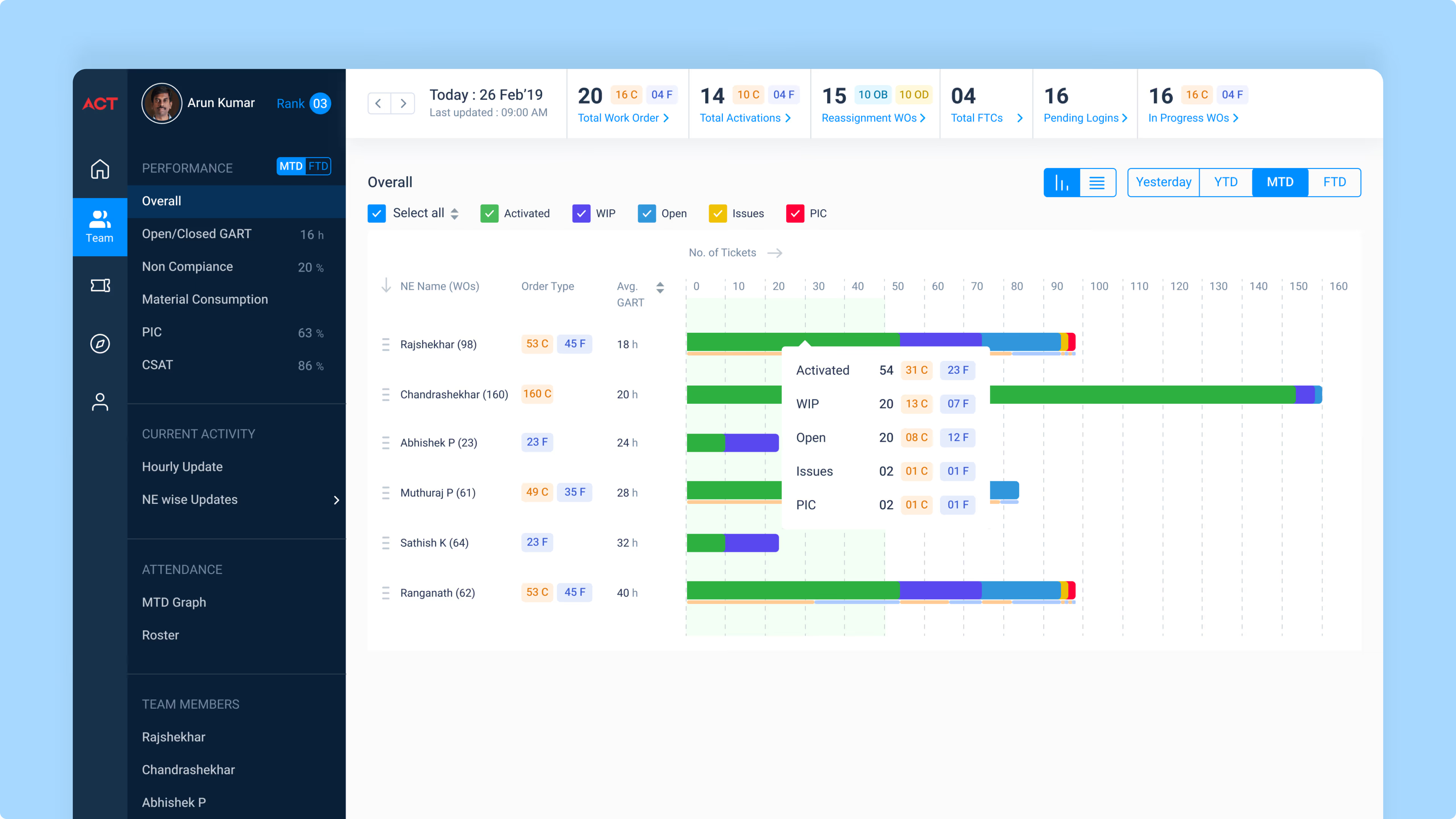
A data-rich UI was designed to track work orders, task states, and turnaround times through comparative views and real-time performance indicators.
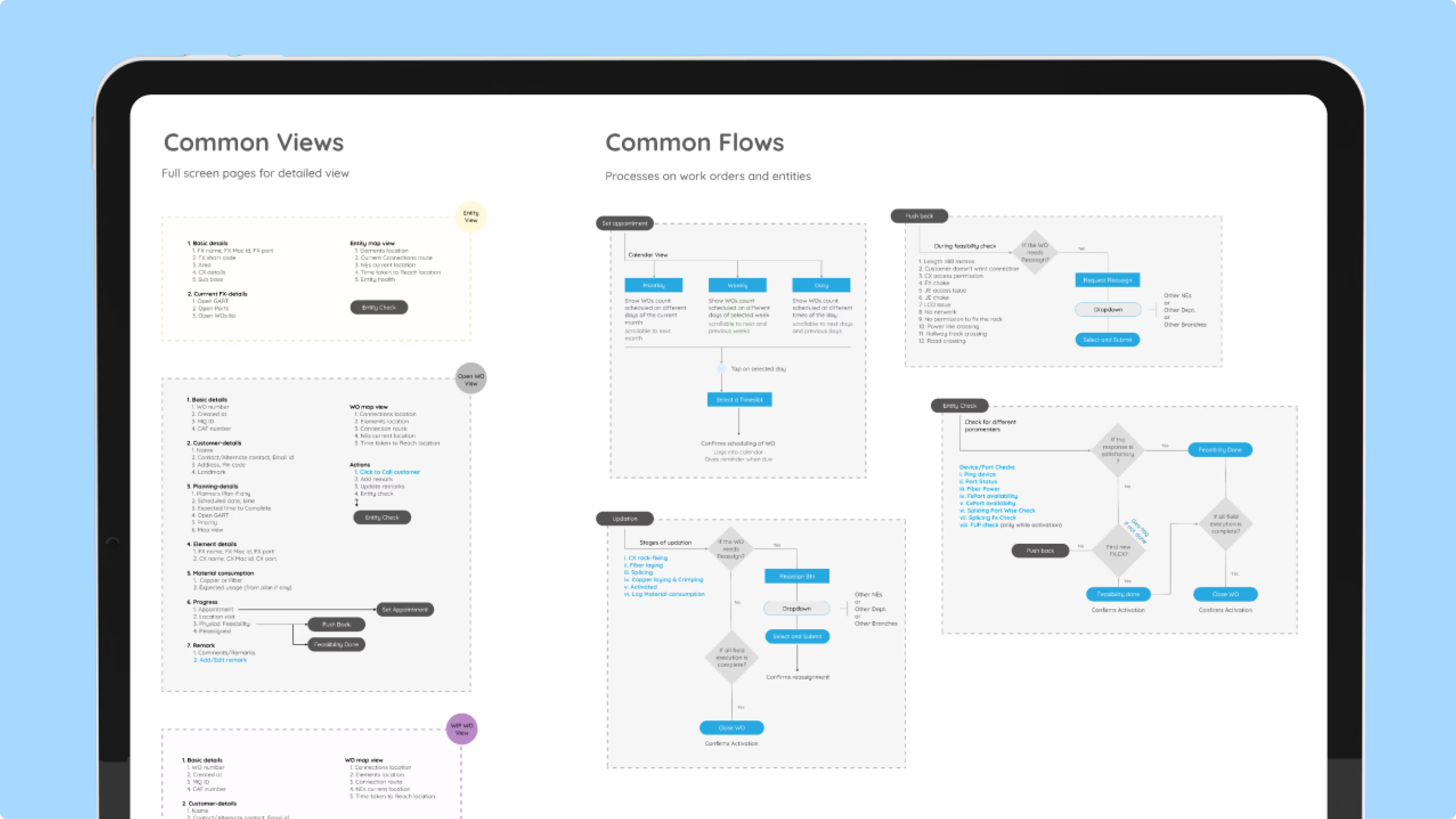
End-to-end flows were mapped to standardize common views and operational processes, bringing clarity and consistency to complex work order journeys.
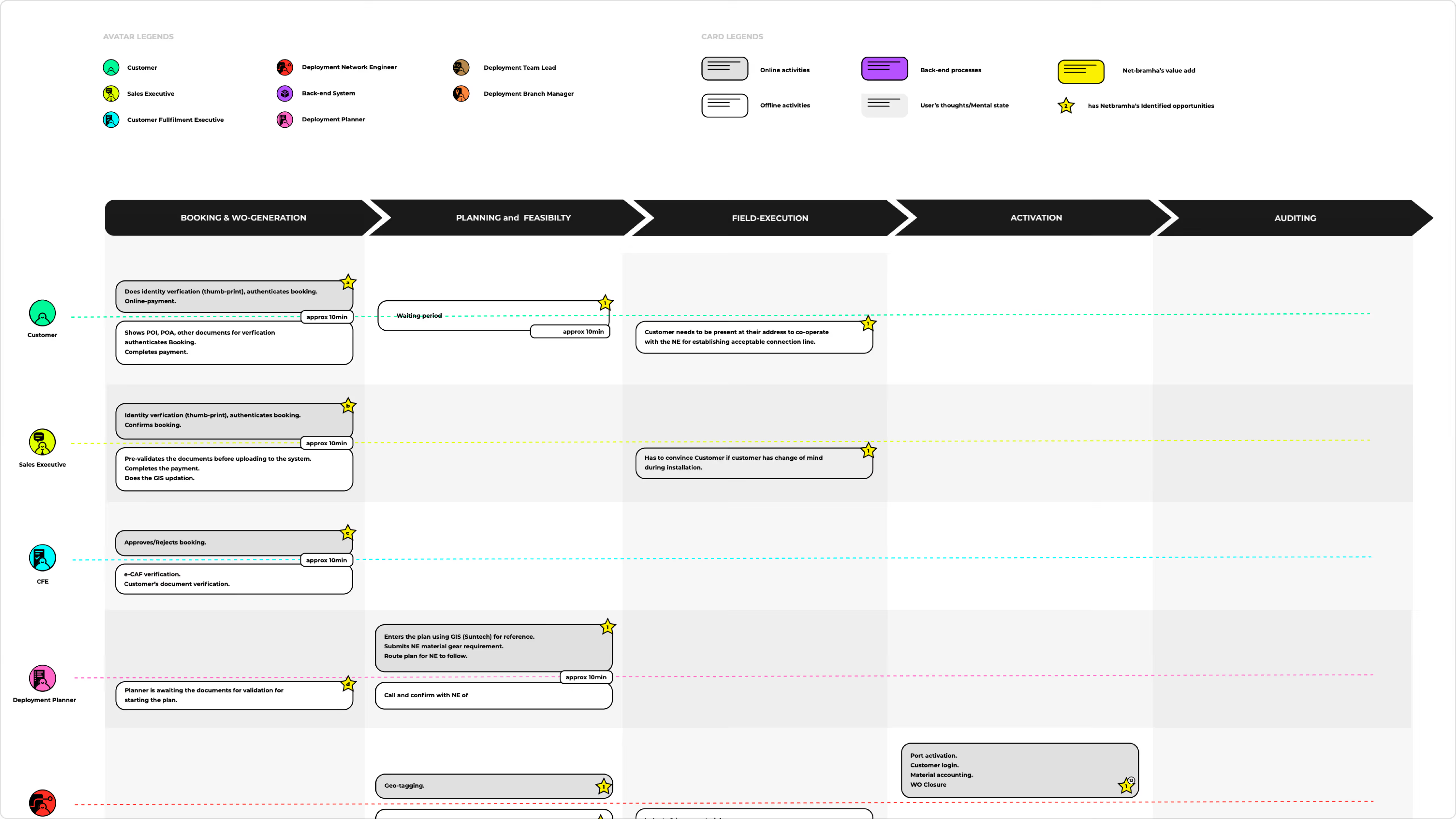
A highly consistent visual design language with real-time data visualizations and distinct colors to differentiate roles.
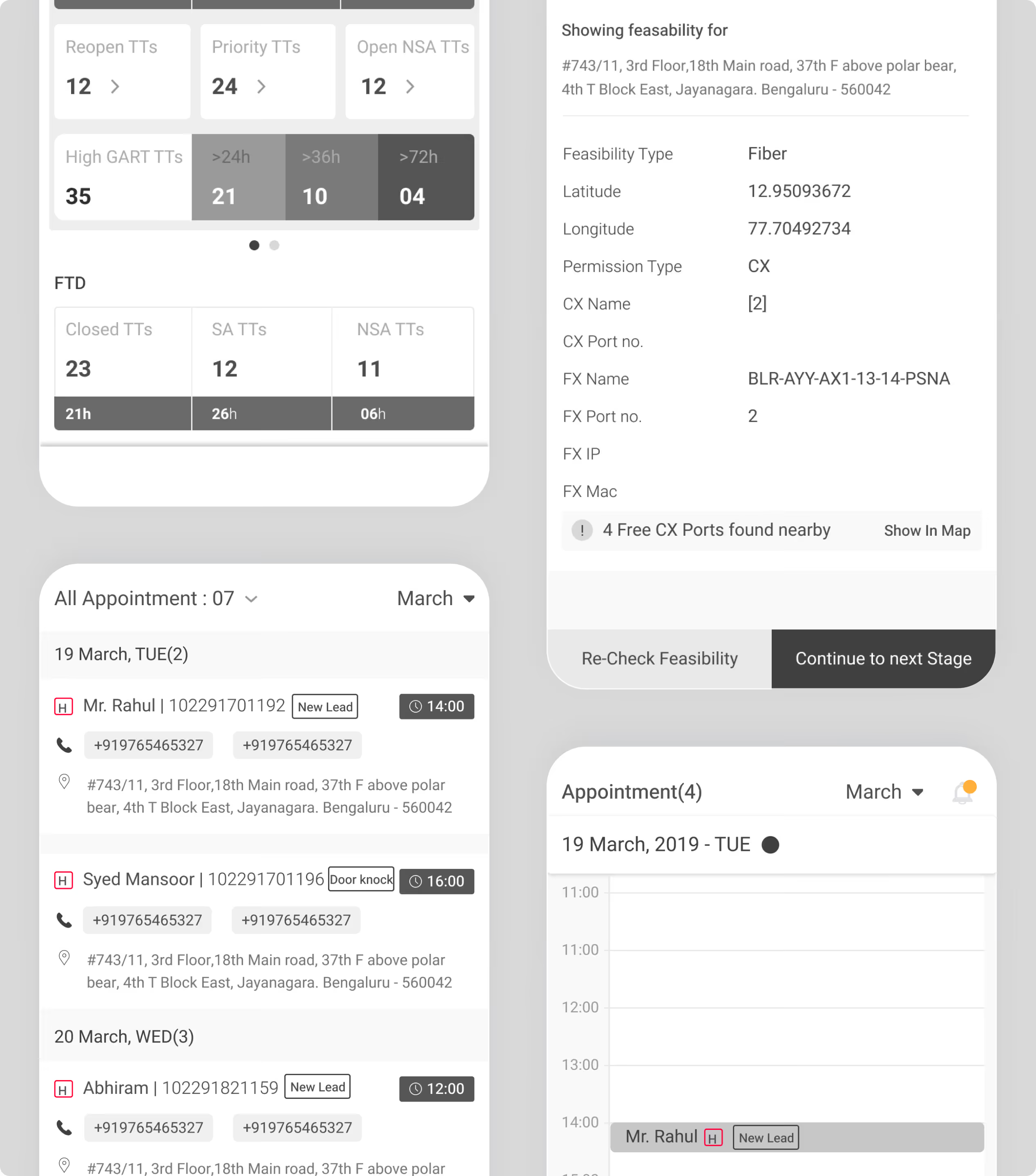
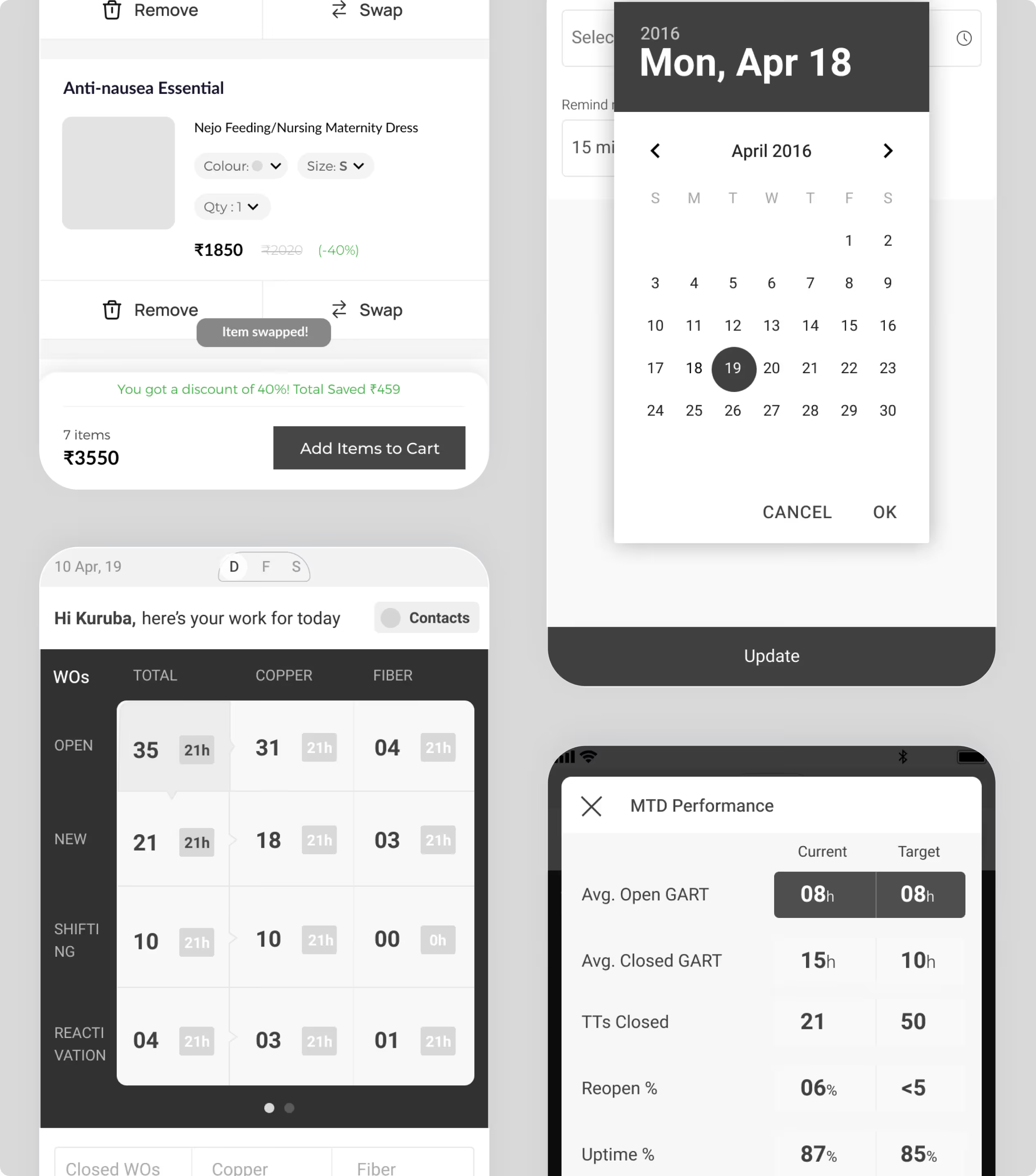
Detailed wireframes were created to define screen hierarchy, task flows, and data relationships across tickets, appointments, feasibility checks, and performance tracking.
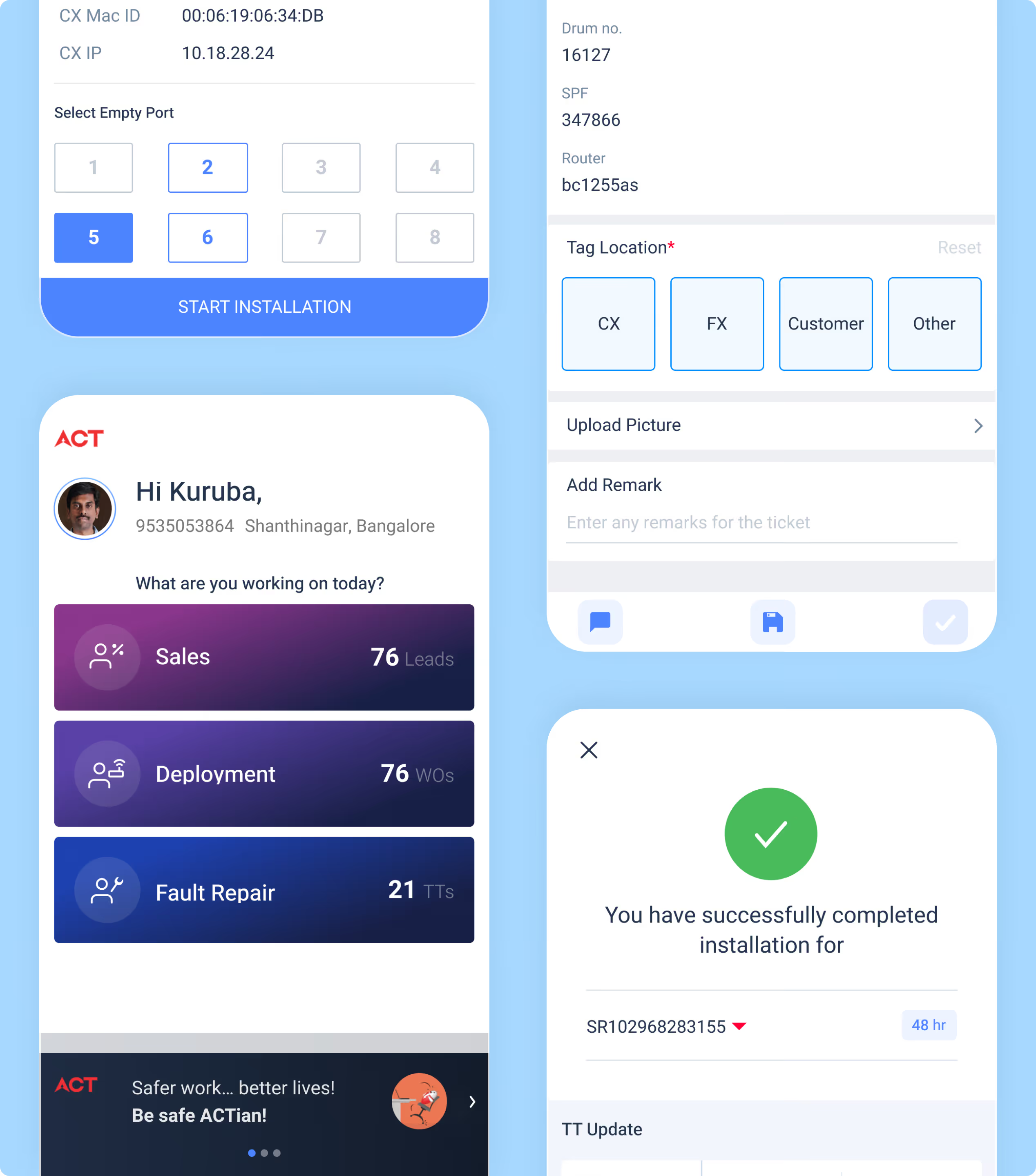
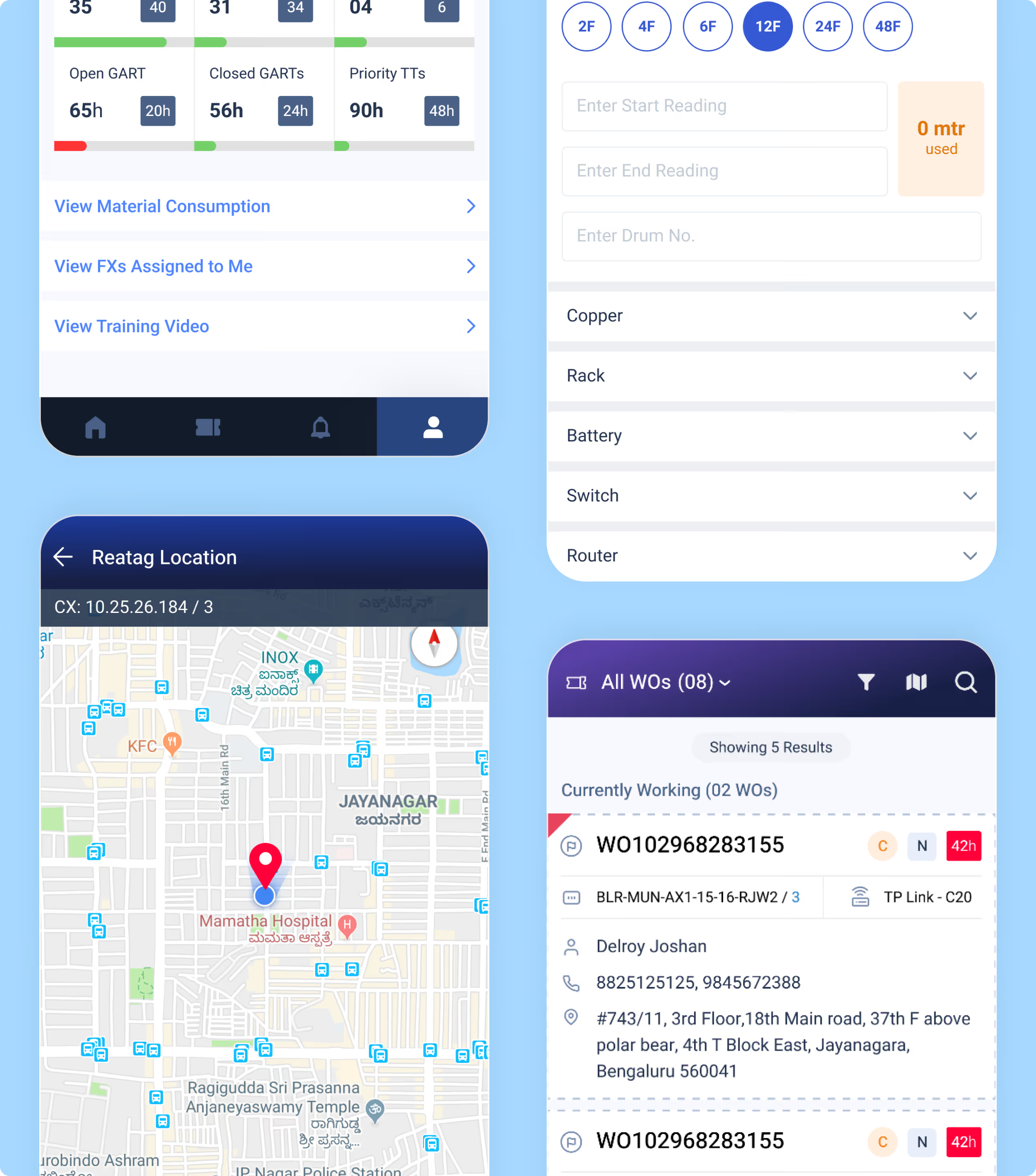
A high-contrast UI was crafted using ACT’s brand blues, neutral greys, and status-driven color cues, paired with clear typography to improve scannability, hierarchy, and on-field usability.
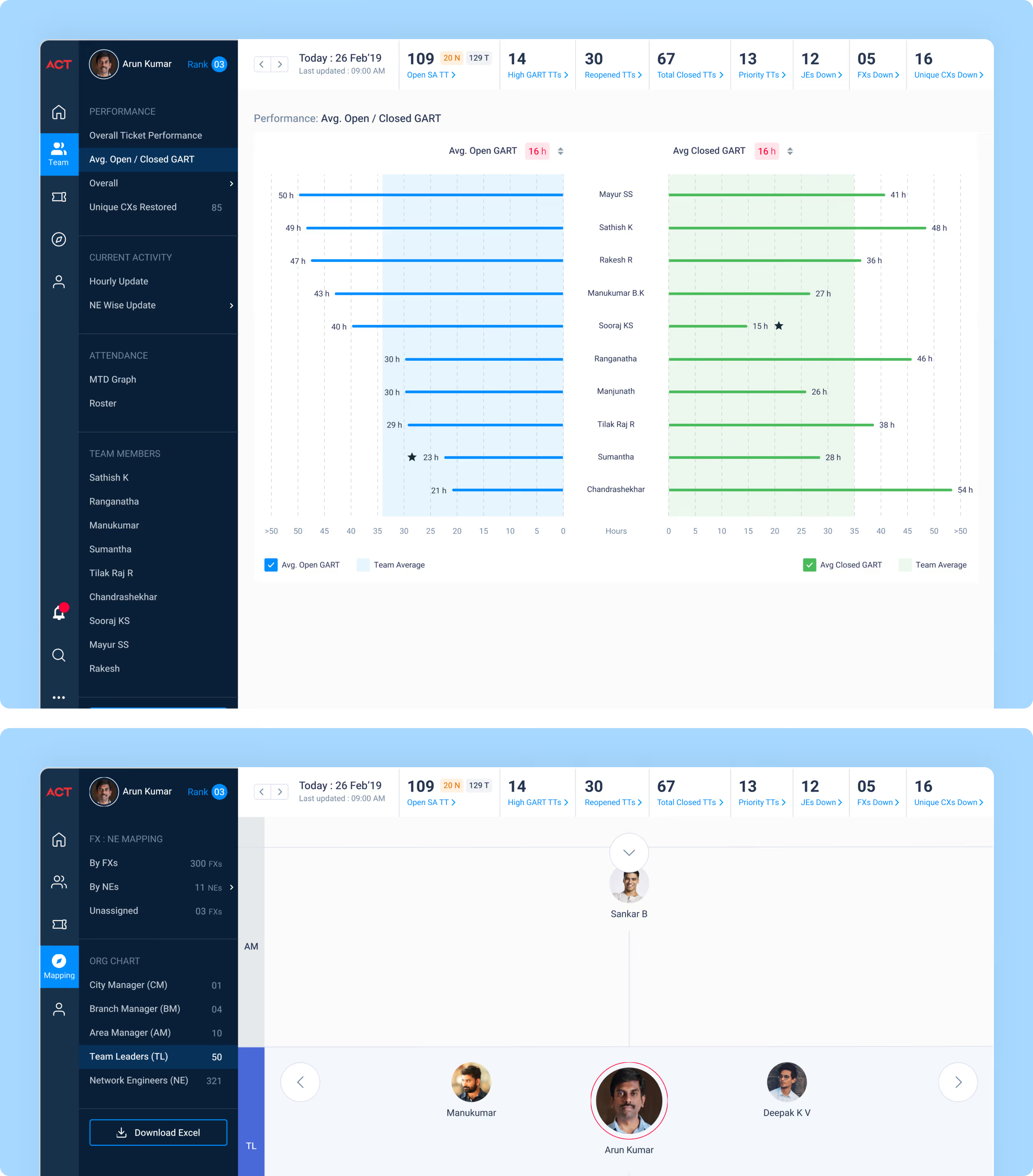
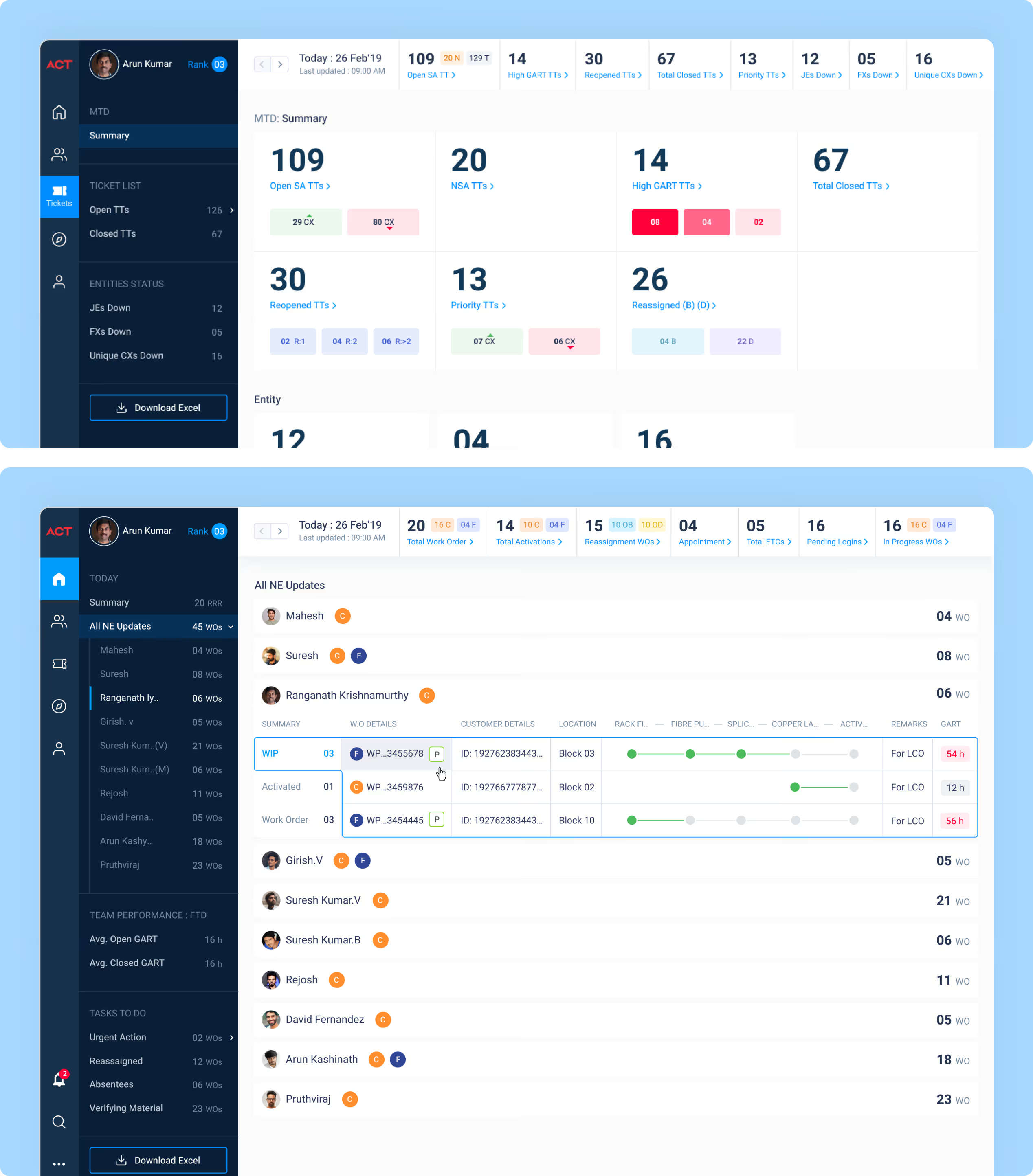
A high-contrast dashboard UI with status-led colors and consistent typography was designed to surface performance and operational insights clearly.


NetBramha designed a workflow management super app for ACT Fibernet's on-field operations staff, alongside a self-service redesign aimed at reducing how often ACT's 2M+ subscribers needed to call customer support.
ACT (Atria Convergence Technologies) is one of India's largest ISPs, concentrated in Bengaluru, Hyderabad, Chennai, and Delhi. Reducing support call volume at that subscriber scale is a direct, measurable cost outcome - not a soft usability improvement.
Support ticket volume in telecom is almost always a symptom of UX failure - unclear billing, confusing plan comparisons, or account flows that force a phone call instead of a few taps.
NetBramha applied the identical logic to HDFC Bank's mobile banking redesign: in both cases, the highest-traffic, highest-friction flows were prioritised first, because that's where a design change generates the most support-cost reduction.
The field-operations super app serves ACT's own staff managing on-ground installation and service work, while the self-service redesign serves the end customer managing their own account. NetBramha designed both sides of the same operational relationship.
That dual-sided design - internal operations plus external customer experience - also shows up in NetBramha's work for SIS, where workforce coordination and service delivery had to be designed as one connected system rather than two unrelated products.
ACT's field-operations app is closest in spirit to SIS's workforce management platform - both are internal tools designed for staff coordinating physical, on-the-ground work, not office-based knowledge workers.
That's a distinct design context from software like Gyaan.ai or Cymorg, which are built for desk-based professionals rather than field technicians moving between job sites.
It's both, and treating it as purely an operations metric misses the point - the reduction happens specifically because the self-service interface succeeds at answering the customer's question before they feel the need to call.
NetBramha measures its telecom and BFSI self-service work against this same standard: whether the interface actually resolves the task, not whether it merely looks resolved. The same logic applies to ONE Muthoot's consolidated customer portal, designed to prevent customers needing three separate support conversations for three separate products.
Recommended Next

.avif)